Category: Construction

  • Why Electrical Panel Maintenance Is Often Overlooked 

    Why Electrical Panel Maintenance Is Often Overlooked 

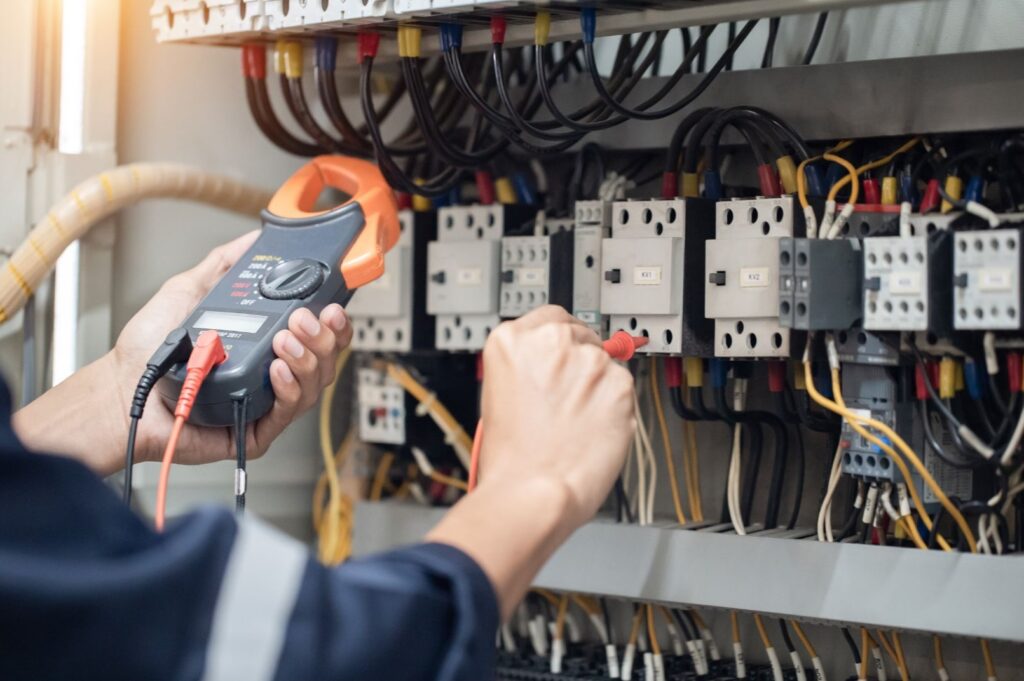
    Your electrical panel is one of the most important components in your home or building. It distributes electricity throughout the property, protects circuits from overloads, and serves as the central point where your electrical system can be monitored and maintained. 

    Yet, electrical panel maintenance is often overlooked. 

    Most homeowners and property managers tend to think about the electrical panel only when a breaker trips, the power goes out, or an electrical problem becomes obvious. The problem is that many panel issues develop gradually and may not show obvious symptoms until they become more serious. 

    Regular electrical panel maintenance can help identify potential problems early, improve electrical reliability, and reduce the risk of unexpected repairs. 

    What Is Electrical Panel Maintenance? 

    Electrical panel maintenance involves more than simply resetting a tripped breaker. 

    A qualified electrician can inspect the panel and its components for conditions such as: 

    • Loose or deteriorated connections 
    • Signs of overheating 
    • Damaged breakers 
    • Corrosion or moisture intrusion 
    • Burn marks or discoloration 
    • Improper or outdated components 
    • Missing or inaccurate circuit labels 
    • Signs of excessive electrical loading 
    • General wear and deterioration 

    Maintenance should be performed according to the equipment manufacturer’s instructions and applicable electrical standards. NFPA guidance also emphasizes that electrical preventive maintenance should be performed by qualified personnel. 

    The goal is to identify developing problems before they turn into an electrical emergency. 

    Why Do Homeowners Overlook Their Electrical Panels? 

    1. The Panel Usually Works Without Attention 

    Electrical panels are designed to operate quietly in the background. 

    When everything is working normally, there is little reason for a homeowner to think about the panel. Lights turn on, appliances operate, and outlets provide power. 

    That can create the impression that no maintenance is necessary. 

    But electrical components can deteriorate even when the system appears to be working normally. 

    2. Electrical Problems Are Not Always Visible 

    Some electrical problems occur inside the panel and may not be immediately noticeable. 

    A loose connection, for example, can create resistance and heat. Over time, that heat can damage components and increase the risk of equipment failure. 

    Similarly, a breaker may appear normal from the outside while its performance or connection has deteriorated. 

    This is one reason professional inspection is important. 

    3. Modern Homes Put More Demand on Electrical Systems 

    Electrical demand has changed dramatically over the years. 

    Today’s homes may have: 

    • Electric vehicle chargers 
    • Heat pumps 
    • Electric ranges 
    • High-efficiency HVAC systems 
    • Home offices 
    • Multiple refrigerators and freezers 
    • Entertainment systems 
    • Smart-home equipment 
    • High-powered appliances 

    An electrical panel that was adequate when a home was built may have a much different workload today. 

    Adding new electrical loads doesn’t automatically mean a panel needs to be replaced, but it does make evaluating the system’s capacity and condition more important. 

    Warning Signs Your Electrical Panel May Need Attention 

    Your electrical panel may need to be inspected if you notice any of the following: 

    Frequent Breaker Trips 

    Occasional breaker trips can happen, but frequent trips should not simply be treated as an inconvenience. 

    Repeated trips may indicate an overloaded circuit, a faulty appliance, wiring problems, or an issue with the breaker itself. 

    Warm or Hot Panel Components 

    Electrical equipment should not develop unexplained excessive heat. 

    If breakers or portions of the panel feel unusually warm, contact a qualified electrician rather than attempting to investigate inside the panel yourself. 

    Buzzing or Crackling Sounds 

    Unusual buzzing, humming, sizzling, or crackling sounds coming from an electrical panel should be taken seriously. 

    These sounds can indicate electrical arcing, loose connections, or other equipment problems. 

    Burning Smell or Discoloration 

    A burning odor, melted insulation, scorch marks, or discoloration around breakers or the panel enclosure can indicate overheating. 

    These are signs that warrant prompt professional attention. 

    Flickering or Unstable Lights 

    Flickering lights aren’t always caused by the electrical panel, but recurring or widespread flickering can be an indication that the electrical system needs to be evaluated. 

    An Older Electrical Panel 

    Age alone doesn’t necessarily mean a panel is unsafe. However, older equipment may have components that are worn, obsolete, difficult to replace, or no longer suitable for the property’s current electrical demands. 

    An inspection can determine whether maintenance, repairs, or an upgrade is appropriate. 

    What Happens During an Electrical Panel Inspection? 

    A professional electrical panel inspection can vary depending on the age, type, and condition of the equipment. 

    An electrician may evaluate: 

    Panel condition: 
    The enclosure, breakers, bus components, wiring, and visible connections are checked for signs of damage or deterioration. 

    Connections: 
    Connections are evaluated for conditions that could contribute to overheating or unreliable operation. 

    Breakers: 

    Breakers are examined for damage, wear, compatibility, and other potential concerns. 

    Circuit identification: 
    Accurate labeling helps homeowners and electricians quickly identify circuits during troubleshooting or emergencies. 

    Electrical load: 
    The electrician may assess whether the existing electrical system is appropriate for the property’s current and anticipated loads. 

    Environmental conditions: 
    Moisture, corrosion, dust, and excessive heat can affect electrical equipment, particularly in garages, basements, mechanical rooms, and other challenging environments. 

    The inspection findings can then be used to determine whether the panel simply needs maintenance or whether repairs or an upgrade should be considered. 

    Maintenance vs. Electrical Panel Replacement 

    Not every electrical panel problem means you need a new panel. 

    Sometimes the appropriate solution is maintenance or a relatively minor repair. 

    In other situations, replacement may make more sense because the equipment is severely deteriorated, obsolete, damaged, or no longer appropriate for the property’s electrical requirements. 

    A qualified electrician can help determine the right solution rather than automatically recommending replacement. 

    The important thing is to address problems before they become emergencies. 

    Why Preventive Maintenance Makes Sense 

    Waiting until an electrical panel fails can be more disruptive and expensive than addressing problems during routine maintenance. 

    Preventive maintenance can help: 

    • Identify problems earlier 
    • Reduce unexpected electrical interruptions 
    • Improve system reliability 
    • Protect electrical equipment 
    • Identify potential safety concerns 
    • Determine whether the system can support new electrical loads 
    • Help property owners plan future electrical upgrades 

    NFPA materials reference preventive maintenance as an important part of keeping electrical equipment in safe and proper operating condition, with maintenance performed according to applicable manufacturer instructions and standards. 

    Don’t Wait for a Breaker to Trip 

    Your electrical panel doesn’t need to be making strange noises or showing signs of damage before it deserves attention. 

    Think of electrical panel maintenance the same way you think about maintaining other important systems in your home or building. Preventive attention can help uncover problems before they become expensive repairs or safety concerns. 

    If your electrical panel is aging, your home has recently undergone renovations, you’ve added major electrical equipment, or you’re experiencing repeated electrical problems, consider having the system evaluated by a qualified electrician. 

    A few hours of professional attention today could help prevent a much bigger electrical problem tomorrow. 

    Need help with your electrical panel? Contact Sunderland Electric in Connecticut for professional electrical inspection, maintenance, repairs, and upgrades. 

  • The Great Build-Out: How Modular Construction Is Powering the Growth of Data Centers

    The Great Build-Out: How Modular Construction Is Powering the Growth of Data Centers

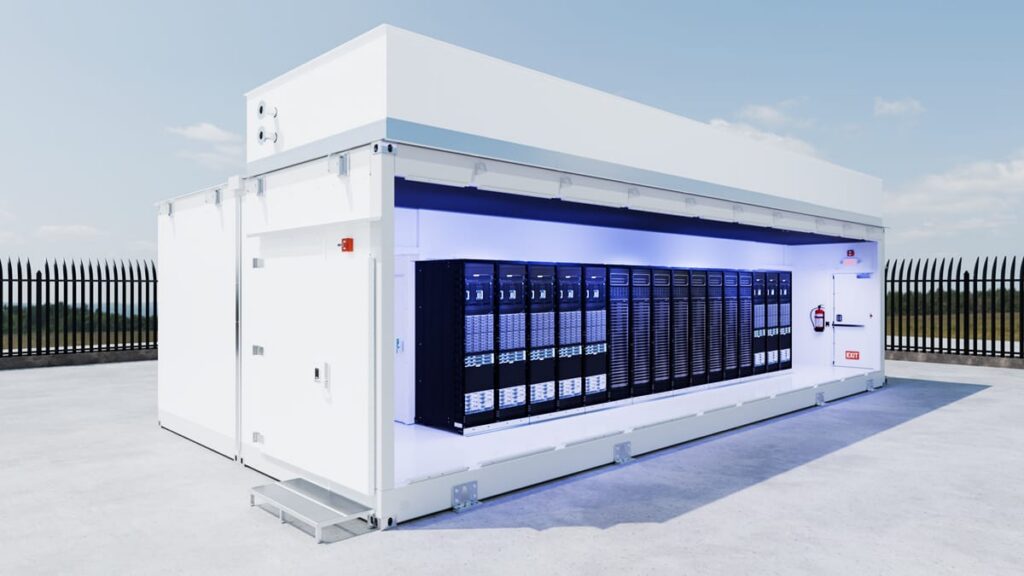
    The demand for data centers is growing at an unprecedented pace, driven largely by artificial intelligence, cloud computing and the increasing need for high-performance digital infrastructure. As operators race to bring new facilities online, traditional construction methods are being challenged by tight schedules, complex electrical requirements and a shortage of skilled workers. 

    One solution gaining momentum is modular construction—a building approach that moves much of the work from the job site into controlled manufacturing environments. 

    According to Electrical Contractor Magazine, approximately 67% of new data centers are expected to be built in rural areas, while 39% of new facilities are projected to be located in counties that currently have no data centers. The scale of this expansion is putting significant pressure on the electrical construction industry. 

    Why Data Centers Are Turning to Modular Construction 

    Traditional data center construction can take years to design, build, and commission. However, the rapid growth of AI infrastructure is creating demand for facilities that can become operational much faster. 

    Modular construction addresses this challenge by allowing major systems and components to be manufactured, assembled, and tested off-site before being transported to the project location. Electrical rooms, power distribution equipment, and other critical systems can be prepared in a factory while site work happens simultaneously. 

    This approach can significantly reduce on-site installation time while improving consistency and quality. Prefabricated electrical and mechanical systems have already demonstrated their ability to shorten data center construction schedules. 

    The Electrical Contractor’s Role Is Changing 

    Modular construction does not eliminate the need for electricians. Instead, it changes where and how their expertise is applied. 

    Large prefabricated modules still need to be transported, installed, connected and integrated at the job site. Electrical contractors may be responsible for building fit-outs, connecting modular systems, commissioning equipment and ensuring that the completed infrastructure operates as designed. 

    The Electrical Contractor article notes that as much as 80% of certain data center work may be completed off-site, leaving significant opportunities for contractors involved in module integration and building fit-out. 

    For electrical professionals, this creates opportunities to become involved earlier in the construction process, including coordination with manufacturers, engineers, and data center operators. 

    Prefabrication Helps Solve Skilled-Labor Challenges 

    The data center boom is happening at a time when the construction industry is already dealing with a shortage of skilled workers. Modular construction can help address some of that pressure by shifting repetitive assembly and integration work into specialized manufacturing facilities. 

    Factory environments can provide standardized processes, controlled working conditions and repeatable quality. Components can also be tested before they reach the job site, potentially reducing installation problems and commissioning delays. 

    For contractors, this means the ability to coordinate effectively with manufacturers and understand prefabricated systems is becoming increasingly valuable. 

    The Rise of High-Power Electrical Systems 

    Data centers are also changing from an electrical standpoint. As AI workloads become more power-intensive, facilities require increasingly sophisticated power-distribution architectures. 

    The industry is exploring higher-power DC systems alongside traditional AC distribution. The shift can involve new approaches to transformers, switchgear, protection systems and direct-to-rack power delivery. 

    These technologies introduce new considerations for electrical contractors, particularly around protection, redundancy, commissioning and safety. 

    High-density data centers require electrical systems that can deliver reliable power continuously. Even a brief interruption can have significant operational consequences, making proper installation, testing and maintenance essential. 

    Training and Safety Are More Important Than Ever 

    As data center electrical systems become more sophisticated, electricians need specialized knowledge to work safely and effectively. 

    Medium-voltage equipment, redundant power sources, high-density electrical systems and emerging DC architectures all require a strong understanding of electrical safety and system operation. Arc-flash awareness and appropriate training are especially important as power levels increase. 

    Contractors who invest in ongoing training can be better prepared to work with the technologies shaping the next generation of data centers. 

    What Modular Data Centers Mean for the Future 

    The growth of AI and digital services is unlikely to slow the need for data center capacity. At the same time, operators are under constant pressure to build faster, scale efficiently, and bring facilities online with minimal delays. 

    Modular construction offers a practical way to meet those demands. By combining factory-built components with skilled on-site installation and commissioning, the industry can accelerate construction while maintaining the reliability required by mission-critical facilities. 

    For electrical contractors, the opportunity is significant. The data center build-out will require expertise in power distribution, prefabrication, commissioning, integration, and advanced electrical systems. 

    The future of data center construction may therefore look less like building everything from the ground up at a single site—and more like assembling a highly engineered system whose components are prepared in advance. 

    As modular construction continues to evolve, electrical contractors will remain an essential part of making that system work. 

    Looking for experienced electrical professionals for your next commercial or industrial project?

    Sunderland Electric is ready to provide dependable electrical solutions and expertise—contact the team today to get started. 

  • Analyzing the Life Cycle of Commercial Electrical Systems 

    Analyzing the Life Cycle of Commercial Electrical Systems 

    A commercial electrical system is one of the most important investments in any building. From the day it is installed to the time it is replaced, it supports daily operations, powers critical equipment, and helps keep employees and customers safe. Understanding the life cycle of a commercial electrical system allows building owners and facility managers to make informed decisions that reduce downtime, improve safety, and maximize the value of their investment. 

    Phase 1: Design and Planning 

    Every reliable electrical system begins with careful planning. During this stage, electrical engineers and contractors determine the building’s power requirements, future expansion needs, and compliance with local building codes and the National Electrical Code (NEC). 

    Proper planning includes: 

    • Calculating current and future electrical loads 
    • Selecting the right electrical panels and distribution equipment 
    • Planning for energy efficiency 
    • Designing for emergency and backup power when needed 
    • Allowing capacity for future technologies such as EV chargers or renewable energy systems 

    Investing time in the design phase helps avoid costly modifications later. 

    Phase 2: Installation and Commissioning 

    A quality installation sets the foundation for years of reliable performance. Every component—from service entrances and switchgear to wiring, lighting, and grounding systems—must be installed correctly and thoroughly tested before the building becomes operational. 

    Commissioning verifies that: 

    • Equipment operates as designed 
    • Protective devices function correctly 
    • Voltage levels remain within acceptable limits 
    • Safety systems are properly integrated 
    • Documentation is complete for future maintenance 

    Proper commissioning minimizes early failures and improves long-term reliability. 

    Phase 3: Daily Operation 

    Once operational, the electrical system works continuously to power lighting, HVAC equipment, computers, machinery, elevators, security systems, and countless other building functions. 

    Over time, normal use places stress on electrical components. Heat, vibration, moisture, dust, and fluctuating electrical loads gradually contribute to wear. Although many systems continue operating without obvious issues, hidden deterioration can develop long before failures become visible. 

    Routine monitoring helps identify abnormal conditions before they become major problems. 

    Phase 4: Preventive Maintenance 

    Preventive maintenance is one of the most cost-effective ways to extend the life of commercial electrical systems. Rather than waiting for equipment to fail, scheduled inspections help identify loose connections, overheating components, insulation damage, corrosion, and other developing issues. 

    A preventive maintenance program often includes: 

    • Thermal imaging inspections 
    • Electrical testing 
    • Panel cleaning 
    • Torque verification on electrical connections 
    • Breaker testing 
    • Grounding system inspections 
    • Emergency power system testing 

    Consistent maintenance reduces unexpected outages and can significantly extend equipment life. 

    Phase 5: Upgrades and Modernization 

    Business needs rarely stay the same. As companies grow, electrical demands often increase due to additional equipment, expanded workspaces, or new technologies. 

    Signs it may be time for an upgrade include: 

    • Frequent circuit breaker trips 
    • Insufficient panel capacity 
    • Outdated electrical equipment 
    • Increased energy costs 
    • Difficulty finding replacement parts 
    • New equipment requiring more power 

    Modernizing electrical infrastructure improves reliability, supports future growth, and often increases energy efficiency. 

    Phase 6: End of Service Life 

    Eventually, every electrical system reaches the end of its useful life. Aging equipment becomes less reliable, maintenance costs increase, and replacement parts become difficult or impossible to obtain. 

    Warning signs include: 

    • Repeated equipment failures 
    • Visible corrosion or overheating 
    • Obsolete switchgear or panels 
    • Frequent power interruptions 
    • Safety concerns identified during inspections 

    Replacing aging equipment before catastrophic failure helps avoid costly downtime, protects occupants, and ensures continued compliance with current electrical codes. 

    Extending the Life of Your Electrical System 

    While no electrical system lasts forever, proper design, professional installation, regular inspections, and proactive maintenance can add many years to its service life. Planning also makes upgrades more manageable and helps prevent unexpected capital expenses. 

    By viewing your electrical infrastructure as a long-term asset rather than a “set it and forget it” system, you can improve safety, reduce operational costs, and maintain reliable power for years to come. 

    Commercial electrical systems evolve throughout their life cycle, from initial design and installation to maintenance, modernization, and eventual replacement. Understanding each stage allows property owners and facility managers to make smarter decisions that protect their investment and keep operations running efficiently. Regular evaluations and proactive planning are the keys to maximizing performance and minimizing costly disruptions. 

    Keep your commercial electrical system performing at its best—contact Sunderland Electric for expert inspections, maintenance, upgrades, and reliable electrical solutions tailored to your business. 

  • PPE Advancement and Improvement: Changing the Game for Worker Safety

    PPE Advancement and Improvement: Changing the Game for Worker Safety

    Personal Protective Equipment (PPE) has always been the last line of defense against workplace hazards. While safety procedures, proper training, and engineering controls remain the first priorities, modern PPE has evolved significantly to provide workers with greater protection, comfort, and confidence than ever before. Today’s advancements are changing the way industries approach worker safety, especially in high-risk environments like electrical work, construction, manufacturing, and industrial facilities. 

    Why PPE Continues to Evolve 

    Traditional PPE was designed with one primary goal: protection. However, older equipment often came with drawbacks such as discomfort, limited mobility, poor visibility, and excessive weight. These issues sometimes discourage workers from wearing PPE consistently or correctly. 

    Modern innovations focus on balancing maximum protection with comfort and usability. When PPE is more comfortable and practical, workers are far more likely to wear it throughout the workday, reducing the risk of injuries. 

    Smarter Materials, Better Protection 

    Advancements in material science have led to lighter, stronger, and more durable PPE. Today’s protective gear can offer enhanced resistance to: 

    • Arc flash and electrical hazards 
    • Heat and flames 
    • Chemical exposure 
    • Cuts and punctures 
    • Impact injuries 
    • Extreme weather conditions 

    Many modern fabrics also provide improved breathability and moisture-wicking properties, helping workers stay cooler and more comfortable during long shifts. 

    Smart PPE is Transforming Job Sites 

    Technology is beginning to play a major role in worker protection. Smart PPE incorporates sensors and connected devices that provide real-time information to both workers and supervisors. 

    Examples include: 

    • Smart helmets with impact detection and communication capabilities 
    • Wearable devices that monitor heart rate, fatigue, and body temperature 
    • Gas detectors that alert workers to hazardous environments 
    • Connected safety vests with location tracking for emergency response 
    • Safety glasses with heads-up displays for hands-free information 

    These innovations not only protect workers but also help employers respond more quickly to emergencies. 

    Improved Comfort Leads to Better Compliance 

    One of the biggest improvements in PPE is ergonomics. Manufacturers now design equipment that better fits different body types and working conditions. 

    Features such as adjustable harnesses, anti-fog eye protection, lightweight hard hats, and flexible gloves allow workers to perform tasks without sacrificing dexterity or comfort. 

    Higher comfort levels often result in greater compliance with workplace safety policies, helping reduce preventable accidents. 

    PPE Maintenance Still Matters 

    Even the most advanced PPE cannot provide adequate protection if it is damaged or improperly maintained. Employers and workers should routinely: 

    • Inspect PPE before each use 
    • Replace worn or damaged equipment immediately 
    • Clean equipment according to manufacturer recommendations 
    • Store PPE properly to prevent unnecessary wear 
    • Ensure equipment fits each worker correctly 

    Regular inspections and proper maintenance remain essential parts of any safety program. 

    The Future of Worker Safety 

    As technology continues to evolve, PPE will become even more intelligent, connected, and personalized. Artificial intelligence, wearable sensors, and predictive safety analytics may soon help identify hazards before incidents occur, allowing companies to proactively protect their workforce. 

    However, no technology can replace a strong safety culture. Proper training, hazard awareness, and consistent use of PPE will always remain the foundation of workplace safety. 

    PPE advancements are changing the game for worker safety by combining innovative materials, wearable technology, and ergonomic design. These improvements help workers stay protected without sacrificing comfort or productivity. Investing in modern PPE is not just about meeting safety regulations—it’s about creating safer workplaces where employees can perform their jobs with confidence every day. 

    If you’re planning electrical work for your home or business in Connecticut, the experienced team at Sunderland Electric is committed to delivering safe, code-compliant solutions. Whether it’s electrical installations, upgrades, or maintenance, we prioritize worker safety and quality workmanship on every project. 

    Protect your people with safe, code-compliant electrical solutions—contact Sunderland Electric today to learn how we can help keep your workplace safer. 

  • Exploring the Benefits of LED Lighting in Commercial Electrical Design 

    Exploring the Benefits of LED Lighting in Commercial Electrical Design 

    Lighting plays a vital role in every commercial building. It affects energy costs, employee productivity, customer experience, and even the overall appearance of a space. As businesses continue to look for ways to reduce operating expenses and improve sustainability, LED lighting has become the preferred choice for modern commercial electrical design. 

    Whether you’re constructing a new building, renovating an existing facility, or upgrading outdated fixtures, switching to LED lighting offers long-term advantages that go far beyond lower utility bills. 

    What Is LED Lighting? 

    LED stands for Light Emitting Diode, a technology that produces light more efficiently than traditional incandescent, fluorescent, or halogen bulbs. LEDs convert more electricity into light rather than heat, making them one of the most energy-efficient lighting solutions available today. 

    Because of their efficiency and versatility, LED fixtures are commonly used in offices, warehouses, retail stores, schools, healthcare facilities, apartment complexes, and industrial buildings. 

    Lower Energy Consumption 

    One of the biggest reasons businesses choose LED lighting is its ability to significantly reduce electricity usage. LED fixtures consume much less energy while providing the same—or even better—light output than conventional lighting. 

    Lower energy consumption can result in: 

    • Reduced monthly utility bills 
    • Lower demand on electrical systems 
    • Improved building energy efficiency 
    • Potential eligibility for utility rebates and incentive programs 

    For facilities with hundreds or even thousands of light fixtures, these savings can be added quickly. 

    Longer Lifespan 

    LED lighting lasts substantially longer than traditional lighting technologies. While fluorescent or incandescent bulbs require frequent replacement, many commercial LED fixtures can operate tens of thousands of hours before needing replacement. 

    A longer lifespan means: 

    • Fewer maintenance calls 
    • Reduced replacement costs 
    • Less downtime for businesses 
    • Lower labor expenses for facility maintenance 

    This is especially valuable in locations with high ceilings or difficult-to-access lighting. 

    Improved Lighting Quality 

    Modern LED lighting delivers bright, consistent illumination with excellent color accuracy. Better lighting improves visibility, making workspaces safer and more comfortable for employees while creating a welcoming environment for customers. 

    LED systems can also be selected in various color temperatures to suit different applications, including: 

    • Warm lighting for hospitality and restaurants 
    • Neutral lighting for offices 
    • Bright daylight lighting for warehouses and manufacturing facilities 

    Better Control and Smart Integration 

    Many LED lighting systems can be integrated with advanced lighting controls, including: 

    • Occupancy sensors 
    • Motion detectors 
    • Daylight harvesting controls 
    • Programmable schedules 
    • Smart building automation systems 

    These controls help ensure lights are used only when needed, further reducing energy consumption while improving occupant comfort. 

    Reduced Maintenance Costs 

    Maintenance expenses often go unnoticed until they become a recurring issue. Since LED fixtures require fewer replacements, businesses spend less time and money on maintenance. 

    This can be especially beneficial for: 

    • Commercial office buildings 
    • Distribution centers 
    • Manufacturing plants 
    • Schools 
    • Healthcare facilities 
    • Parking garages 

    Less maintenance also means fewer disruptions to daily operations. 

    Environmentally Friendly Choice 

    LED lighting supports sustainability initiatives by reducing energy usage and producing less waste. Unlike fluorescent lamps, LEDs do not contain mercury and generally require fewer replacements over their lifetime. 

    Many businesses choose LED upgrades as part of their environmental goals while simultaneously reducing operating costs. 

    Improved Safety 

    LED fixtures generate far less heat than traditional lighting technologies, reducing the risk of overheating in certain applications. They also provide instant full brightness without the flickering commonly associated with aging fluorescent fixtures. 

    Reliable, high-quality lighting can improve workplace safety by increasing visibility in production areas, walkways, parking lots, and emergency exit routes. 

    Ideal for New Construction and Renovations 

    LED lighting is flexible enough to fit nearly every commercial project. Whether designing a brand-new facility or modernizing an older building, LED solutions can be customized to match the specific needs of the space. 

    Common applications include: 

    • Office buildings 
    • Retail stores 
    • Restaurants 
    • Warehouses 
    • Industrial facilities 
    • Schools 
    • Medical offices 
    • Multifamily residential buildings 
    • Exterior and parking lot lighting 

    Plan Your Lighting with Electrical Professionals 

    A successful LED lighting project involves more than simply replacing fixtures. Proper electrical design considers light levels, fixture placement, energy efficiency, electrical load, controls, and future maintenance requirements. 

    Working with experienced commercial electricians helps ensure your lighting system performs efficiently, complies with applicable electrical codes, and supports the long-term needs of your business. 

    LED lighting has transformed commercial electrical design by offering greater energy efficiency, lower maintenance costs, longer service life, and improved lighting quality. For businesses looking to reduce operating expenses while creating safer and more comfortable environments, upgrading to LED lighting is a smart investment that continues to deliver value for years to come. 

    Whether you’re planning a new commercial construction project or upgrading an existing facility, a professionally designed LED lighting system can help maximize performance, efficiency, and reliability. 

    For expert commercial LED lighting installations, retrofits, and electrical design throughout Connecticut, trust Sunderland Electric to deliver safe, energy-efficient solutions tailored to your business. 

  • A High-Wire Act: Using the Right Controls and PPE Is Critical When Working at Heights

    A High-Wire Act: Using the Right Controls and PPE Is Critical When Working at Heights

    Working at heights is one of the most hazardous tasks across many industries, including construction, maintenance, warehousing, and telecommunications. Falls can lead to serious injuries or fatalities, making height safety a critical workplace priority. 

    While many incidents are preventable, safe work at height requires more than just wearing a harness. Effective protection depends on proper planning, hazard identification, risk controls, worker training, and the correct use of personal protective equipment (PPE). 

    Understanding the Risks of Working at Heights 

    Any task performed at an elevated position where a person could fall and suffer injury qualifies as working at height. This includes: 

    • Roof work 
    • Ladder use 
    • Scaffolding operations 
    • Tower climbing 
    • Elevated platform work 
    • Mezzanine access 
    • Steel erection 
    • Window cleaning 
    • Confined-space vertical entry 
    • Maintenance activities on elevated machinery 

    The dangers are often underestimated because many height-related tasks are routine. Workers may become overly familiar with procedures, skip safety checks, or take shortcuts to save time. Unfortunately, routine tasks can quickly become catastrophic when safety measures are ignored. 

    Common hazards include: 

    • Unprotected edges 
    • Fragile roof surfaces 
    • Unstable ladders 
    • Improperly erected scaffolding 
    • Slippery surfaces 
    • Falling tools and materials 
    • Weather-related hazards such as wind or rain 
    • Equipment failure 
    • Inadequate anchor points 
    • Human error and fatigue 

    In many cases, accidents occur not because PPE was unavailable, but because the wrong equipment was selected, incorrectly used, poorly maintained, or bypassed altogether. 

    The Hierarchy of Controls: Safety Starts Before PPE 

    One of the most important principles in occupational safety is the hierarchy of controls. PPE is essential, but it should never be the first or only line of defense. 

    The hierarchy of controls helps organizations reduce risk systematically: 

    1. Elimination 

    The safest approach is to eliminate the need to work at height altogether. 

    Examples include: 

    • Installing equipment at ground level 
    • Using extendable tools for inspections 
    • Prefabricating assemblies on the ground 
    • Designing buildings with safer maintenance access 

    If workers do not need to leave the ground, the fall hazard disappears. 

    2. Substitution 

    Where elimination is not possible, substitute the task or equipment with safer alternatives. 

    Examples include: 

    • Replacing ladders with mobile elevated work platforms (MEWPs) 
    • Using automated inspection drones 
    • Installing permanent access systems 

    3. Engineering Controls 

    Engineering controls physically isolate workers from hazards. 

    Examples include: 

    • Guardrails 
    • Safety nets 
    • Fixed walkways 
    • Toe boards 
    • Fall arrest anchor systems 
    • Enclosed platforms 
    • Scaffolding with proper edge protection 

    Engineering controls are highly effective because they do not rely solely on worker behavior. 

    4. Administrative Controls 

    Administrative controls establish procedures and work practices that reduce exposure to hazards. 

    These include: 

    • Permit-to-work systems 
    • Risk assessments 
    • Safe work method statements 
    • Toolbox talks 
    • Weather monitoring 
    • Supervisor oversight 
    • Worker competency training 
    • Scheduled inspections 
    • Rescue planning 

    Administrative controls are crucial for ensuring consistency and accountability. 

    Personal Protective Equipment (PPE) 

    PPE serves as the final barrier between workers and injury. 

    When all other controls cannot fully eliminate the risk, properly selected PPE can significantly reduce the severity of falls or prevent them entirely. 

    Why PPE Matters So Much in Height Safety 

    Working at height introduces unique risks because gravity acts instantly. There is little margin for error. 

    Unlike many workplace hazards, where workers may have time to react, falls often happen suddenly and without warning. PPE, therefore, becomes a life-critical component of the safety system. 

    Proper PPE for working at heights may include: 

    • Full-body harnesses 
    • Shock-absorbing lanyards 
    • Self-retracting lifelines (SRLs) 
    • Anchorage connectors 
    • Safety helmets with chin straps 
    • Non-slip footwear 
    • Gloves with grip support 
    • Eye protection 
    • High-visibility clothing 
    • Rescue and descent equipment 

    However, effective PPE is not just about availability. It must be: 

    • Correctly selected for the task 
    • Properly fitted to the worker 
    • Inspected before use 
    • Maintained according to manufacturer guidance 
    • Compatible with other equipment 
    • Used exactly as intended 

    Choosing the Right Fall Protection System 

    Different tasks require different fall protection strategies. Using inappropriate equipment can create additional hazards. 

    Fall Restraint Systems 

    Fall restraint systems prevent workers from reaching a fall hazard in the first place. 

    These systems typically use: 

    • Harnesses 
    • Fixed-length lanyards 
    • Secure anchor points 

    Because workers cannot physically reach the edge, restraint systems are often safer than arrest systems. 

    Fall Arrest Systems 

    Fall arrest systems stop a worker after a fall has occurred. 

    These systems usually include: 

    • Full-body harness 
    • Shock-absorbing lanyard or SRL 
    • Certified anchor point 

    A poorly configured fall arrest system can be deadly. Critical considerations include: 

    • Fall clearance distance 
    • Swing fall hazards 
    • Anchor strength 
    • Equipment compatibility 
    • Rescue access 

    Work Positioning Systems 

    Positioning systems allow workers to maintain stability while working hands-free. 

    These are common in: 

    • Tower climbing 
    • Pole work 
    • Rope access operations 

    Workers must still use backup fall protection because positioning systems alone may not arrest a fall. 

    The Importance of Proper Harness Fit 

    Even high-quality equipment can fail to protect workers if it does not fit properly. 

    An improperly fitted harness can: 

    • Increase injury severity during a fall 
    • Cause suspension trauma 
    • Allow workers to slip out 
    • Restrict movement and create fatigue 
    • Reduce worker compliance 

    A correctly fitted harness should: 

    • Sit snugly without restricting movement 
    • Position the dorsal D-ring between the shoulder blades 
    • Keep leg straps secure but comfortable 
    • Distribute force evenly across the body 

    Workers should be trained to inspect and adjust harnesses before every use. 

    Inspection and Maintenance: The Often-Ignored Safety Essential 

    Damaged or poorly maintained PPE is one of the leading contributors to height-related incidents. 

    Equipment should always be inspected: 

    • Before each use 
    • After impact events 
    • At scheduled intervals by competent personnel 
    • According to manufacturer’s requirements 

    Workers should look for: 

    • Frayed webbing 
    • Cuts or burns 
    • Corrosion 
    • Broken stitching 
    • Deformed connectors 
    • Damaged locking mechanisms 
    • UV degradation 
    • Missing labels or certifications 

    Any defective equipment should be removed from service immediately. 

    Organizations should also maintain inspection records and establish clear retirement criteria for aging equipment. 

    Training Is Just as Important as Equipment 

    Providing PPE without training creates a false sense of security. 

    Workers must understand: 

    • Hazard recognition 
    • Equipment limitations 
    • Proper fitting procedures 
    • Anchor selection 
    • Fall clearance calculations 
    • Emergency rescue procedures 
    • Inspection requirements 
    • Safe climbing techniques 

    Refresher training is equally important because workers can develop unsafe habits over time. 

    Practical, scenario-based training often delivers better results than classroom-only instruction. 

    Rescue Planning: The Critical Missing Piece 

    Many organizations focus heavily on preventing falls but overlook rescue planning. 

    A worker suspended in a harness after a fall faces serious risks, including suspension trauma. Rapid rescue is essential. 

    An effective rescue plan should address: 

    • Rescue equipment availability 
    • Communication procedures 
    • Emergency contacts 
    • Site access challenges 
    • Worker retrieval methods 
    • Rescuer competency 
    • Medical response procedures 

    Simply calling emergency services is not always sufficient, especially in remote or elevated environments. 

    Building a Culture of Height Safety 

    Safety programs succeed when organizations move beyond compliance and build a genuine culture of prevention. 

    Strong safety cultures typically include: 

    • Leadership commitment 
    • Worker involvement 
    • Open hazard reporting 
    • Continuous improvement 
    • Regular audits 
    • Clear accountability 
    • Recognition of safe behavior 

    Workers are more likely to follow safety procedures when leadership visibly prioritizes safety over speed or production targets. 

    Supervisors also play a critical role by reinforcing expectations and stopping unsafe practices immediately. 

    Technology Is Improving Height Safety 

    Modern technology is helping organizations manage height risks more effectively. 

    Emerging innovations include: 

    • Smart harnesses with fall detection 
    • Wearable safety sensors 
    • Drone-assisted inspections 
    • Digital permit systems 
    • Connected lone-worker monitoring 
    • AI-assisted hazard recognition 
    • Advanced self-retracting lifelines 

    While technology cannot replace strong safety fundamentals, it can enhance visibility, accountability, and emergency response. 

    Common Mistakes That Increase Risk 

    Despite widespread awareness, several recurring mistakes continue to contribute to workplace falls. 

    These include: 

    • Using damaged PPE 
    • Connecting to unsuitable anchor points 
    • Climbing without 100% tie-off 
    • Overreaching from ladders 
    • Ignoring weather conditions 
    • Skipping inspections 
    • Using incompatible components 
    • Failing to plan rescues 
    • Allowing untrained workers to perform elevated tasks 
    • Rushing work to meet deadlines 

    Preventing these mistakes requires ongoing vigilance and leadership support. 
     

    Working at heights will always involve risks, but those risks can be managed through the right combination of controls, training, and PPE. By prioritizing safety at every stage, organizations can help ensure that every worker returns home safely at the end of the day. 

    Trust Sunderland Electric for safe, compliant work at heights. 

  • Safety for EVSE: This Equipment with Complex Requirements Is Here to Stay

    Safety for EVSE: This Equipment with Complex Requirements Is Here to Stay

    Electric vehicles (EVs) are no longer a niche of innovation—they are rapidly becoming a cornerstone of modern transportation. Alongside this shift, Electric Vehicle Supply Equipment (EVSE), commonly known as EV charging infrastructure, has emerged as a critical component of the ecosystem. But while EV adoption is accelerating, the safety considerations surrounding EVSE remain complex, evolving, and absolutely essential. 

    The Growing Importance of EVSE Safety 

    EVSE is not just a plug and a cable—it is a sophisticated system that manages high-voltage electricity, communicates with vehicles, and often integrates with building energy systems and the grid. Unlike traditional electrical appliances, EVSE must handle continuous high loads for extended periods, often in diverse environments ranging from private homes to public charging stations. 

    This complexity introduces a wide range of safety challenges, including electrical hazards, overheating, grounding issues, and risks associated with improper installation or maintenance. 

    Why EVSE Safety Is More Complex Than It Seems 

    At first glance, charging an EV may appear straightforward. However, beneath the surface lies a network of technical requirements: 

    • High Power Demand: Fast chargers can deliver significant amounts of electricity in a short time, increasing the risk of overheating and electrical faults. 
    • Environmental Exposure: Outdoor charging stations must withstand rain, dust, humidity, and temperature fluctuations without compromising safety. 
    • User Interaction: EVSE must be safe for everyday users who may not have technical expertise, requiring intuitive design and built-in protections. 
    • Communication Protocols: Smart chargers communicate with vehicles and backend systems, introducing cybersecurity considerations alongside physical safety. 

    Key Safety Standards and Compliance 

    To address these challenges, EVSE must comply with rigorous safety standards and certifications. These include requirements for: 

    • Proper grounding and insulation 
    • Overcurrent and surge protection 
    • Fault detection (such as ground fault circuit interruption) 
    • Thermal management systems 
    • Durable and weather-resistant enclosures 

    Compliance is not optional—it is foundational. As EV infrastructure expands globally, regulatory bodies continue to refine standards to keep pace with new technologies. 

    Installation: The Often Overlooked Risk 

    Even the most advanced EVSE can become hazardous if installed incorrectly. Poor wiring, inadequate load calculations, or substandard components can lead to serious safety risks, including electrical fires. 

    Professional installation by qualified electricians is essential, especially for high-capacity or commercial charging systems. Routine inspections and maintenance are equally important to ensure long-term safety and performance. 

    The Role of Smart Technology in Safety 

    Modern EVSE is increasingly “smart,” incorporating sensors, monitoring systems, and real-time diagnostics. These features can: 

    • Detect faults before they escalate 
    • Automatically shuts down in unsafe conditions 
    • Provide alerts to users or operators 
    • Enable remote monitoring and updates 

    While smart technology enhances safety, it also introduces new layers of complexity, particularly around software reliability and cybersecurity. 

    Safety in Public vs. Private Charging 

    Safety considerations differ depending on where EVSE is deployed: 

    • Residential Charging: Focuses on integration with home electrical systems and user-friendly design. 
    • Commercial/Public Charging: Requires higher durability, vandal resistance, and robust safety mechanisms due to heavy usage and varied users. 

    Both contexts demand strict adherence to safety protocols, but public infrastructure often faces greater exposure to unpredictable conditions. 

    The Road Ahead: Safety as a Continuous Process 

    EVSE is not a static technology. As charging speeds increase and energy systems become more interconnected, safety requirements will continue to evolve. Emerging trends such as ultra-fast charging, vehicle-to-grid (V2G) integration, and wireless charging will introduce new challenges that must be addressed proactively. 

    EVSE is here to stay—and so are its complex safety requirements. As the backbone of EV adoption, charging infrastructure must be designed, installed, and maintained with safety as a top priority. This is not just a technical necessity but a critical factor in building trust among users and ensuring the sustainable growth of electric mobility. 

    In a world moving steadily toward electrification, safety is not an afterthought—it is the foundation. 

    Choose Sunderland Electric for safe and reliable EVSE solutions—contact us today. 

  • Load Control: Calculations for Monitored and Non-Monitored Loads 

    Load Control: Calculations for Monitored and Non-Monitored Loads 

    Managing electrical loads efficiently is essential in modern power systems, especially with rising energy demands and the push for sustainability. One of the key strategies used in both residential and industrial settings is load control—a method of balancing electricity usage to prevent overloads and reduce costs. 

    In this blog, we’ll break down how to calculate monitored and non-monitored loads and why understanding the difference matters. 

    What is Load Control? 

    Load control refers to the process of regulating electrical power consumption by turning devices on/off or adjusting their usage during peak and off-peak hours. It helps: 

    • Prevent system overload  
    • Improve energy efficiency  
    • Reduce electricity bills  
    • Support grid stability 

    Monitored vs Non-Monitored Loads 

    1. Monitored Loads 

    Monitored loads are electrical devices whose power consumption is measured in real time using meters or sensors. 

    Examples: 

    • HVAC systems  
    • Industrial machines  
    • Smart home appliances  

    Key Feature: 
    You have actual data (kW, kWh), not estimates. 

    2. Non-Monitored Loads 

    Non-monitored loads are devices where consumption is not directly measured. Instead, their usage is estimated based on ratings and usage patterns. 

    Examples: 

    • Lighting circuits without submeters  
    • Plug loads in homes  
    • Small appliances  

    Key Feature: 
    You rely on calculations and assumptions. 

    Basic Electrical Load Formula 

    To calculate power: 

    P = V × I

    Where: 

    • P = Power (Watts)  
    • V = Voltage (Volts)  
    • I = Current (Amperes) 

    Calculating Monitored Loads 

    Since monitored loads provide real-time data, calculations are straightforward. 

    Step-by-Step: 

    1. Record power consumption (kW) from the meter  
    1. Multiply by usage time (hours)  

    Energy Consumption Formula: 

    Energy (kWh)=Power (kW)×Time (hours) 

    Advantage: High accuracy and real-time tracking. 

    Calculating Non-Monitored Loads 

    For non-monitored loads, estimation is required. 

    Step-by-Step: 

    1. Identify device wattage (from label)  
    1. Estimate usage time  
    1. Multiply values  

    Example: 

    • Light bulb: 60 W (0.06 kW)  
    • Usage: 10 hours 

    Energy=0.06×10=0.6 kWh 

    Applying Demand Factor 

    Not all devices run at full capacity simultaneously. This is where the demand factor comes in. 

    Demand Load = Connected Load × Demand Factor 

    Example: 

    • Connected load: 10 kW  
    • Demand factor: 0.7 

    Demand Load=10×0.7=7 kW 

    Load Control Strategies 

    For Monitored Loads: 

    • Use smart meters  
    • Automate scheduling  
    • Implement demand response systems  

    For Non-Monitored Loads: 

    • Use standard load tables  
    • Apply diversity factors  
    • Upgrade to smart plugs/meters 

    Why This Matters 

    Understanding how to calculate both monitored and non-monitored loads helps: 

    • Engineers design safer systems  
    • Homeowners reduce energy costs  
    • Businesses optimize operations  
    • Utilities manage grid demand 

    Load control isn’t just about saving electricity—it’s about using energy intelligently. By combining real-time monitoring with accurate estimation methods, you can create a balanced and efficient electrical system. 

    Whether you’re managing a home, a building, or an industrial facility, mastering these calculations is a crucial step toward smarter energy use. 

    Take control of your energy usage with Sunderland Electric—contact us today to optimize your monitored and non-monitored load management!

  • Absence of Voltage: Is It Really Safe?

    Absence of Voltage: Is It Really Safe?

    When working with electrical systems, one phrase is often treated as a green light: “There’s no voltage.” It sounds reassuring—almost like a guarantee of safety. But is the absence of voltage truly enough to ensure that a system is safe to handle? 

    The short answer: not always. 

    Understanding “Absence of Voltage” 

    In electrical work, verifying the absence of voltage typically means using a tester or meter to confirm that no electrical potential is present in a circuit. This is a critical step before performing maintenance or repairs. However, the process is only as reliable as the method, the tools, and the person using them. 

    A reading of zero volts doesn’t automatically eliminate all risks—it simply indicates that, at that moment and under those conditions, voltage was not detected. 

    Why “No Voltage” Can Be Misleading 

    1. Faulty or Improperly Used Equipment 

    Voltage testers and multimeters are not infallible. Dead batteries, internal faults, or incorrect settings can produce false readings. If your tester fails silently, you might be trusting a dangerous illusion. 

    2. Induced or Stored Energy 

    Even if a circuit is disconnected from its power source, energy can still be present: 

    • Capacitors can store electrical charge. 
    • Nearby energized conductors can induce voltage in disconnected lines. 
    • Long cables can retain residual energy. 

    These hidden sources can deliver a shock even when the main supply is off. 

    3. Human Error 

    Mistakes happen—especially in high-pressure or routine environments. Skipping steps, testing the wrong point, or assuming a system is de-energized without verification can all lead to accidents. 

    4. Unexpected Re-energization 

    Circuits can become live again without warning due to: 

    • Automatic systems 
    • Backup generators 
    • Other personnel restoring power unknowingly 

    Without proper lockout procedures, what was safe a moment ago may suddenly become hazardous. 

    Best Practices for True Electrical Safety 

    To move beyond the false comfort of “no voltage,” professionals rely on layered safety practices: 

    ✔️ Test Before and After 

    Always verify that your testing device works before and after checking the circuit. This confirms your tool is functioning correctly. 

    ✔️ Use Proper Lockout/Tagout (LOTO) 

    Physically isolate the energy source and apply lockout/tagout procedures to prevent accidental re-energization. 

    ✔️ Discharge Stored Energy 

    Capacitors and other components should be safely discharged before handling. 

    ✔️ Wear Protective Equipment 

    Personal protective equipment (PPE) like insulated gloves and face shields provides an extra layer of defense. 

    ✔️ Follow the “Test–Verify–Test” Method 

    1. Test your meter on a known live source 
    1. Verify the target circuit is de-energized 
    1. Re-test your meter on a live source 

    This simple routine dramatically reduces the chance of false readings. 

    The Bigger Picture 

    Electrical safety isn’t about trusting a single measurement—it’s about building a system of checks and safeguards. The absence of voltage is just one piece of the puzzle, not the final answer. 

    So, is the absence of voltage really safe? 

    It’s a good sign—but not a guarantee. 

    True safety comes from combining proper tools, verified procedures, and a healthy respect for the unseen risks in electrical systems. In this field, caution isn’t paranoia—it’s professionalism. 

    Because when it comes to electricity, what you don’t detect can still hurt you. 

    For reliable testing and true electrical safety beyond just “no voltage,” trust Sunderland Electric—contact them today and work with confidence. 

  • Tips for Preventing Cable Management Challenges in Data Centers

    Tips for Preventing Cable Management Challenges in Data Centers

    Modern data centers are the backbone of digital infrastructure, supporting everything from cloud computing to enterprise applications. As data centers scale, cable management becomes a critical challenge. Poor cable organizations can lead to overheating, downtime, longer maintenance times, and reduced operational efficiency. Implementing proactive strategies can help prevent these issues and maintain a well-structured, high-performing environment. 

    1. Plan Cable Layouts Before Deployment 

    Effective cable management begins during the design phase. Planning cable pathways ensures that power and data cables are routed efficiently without interfering with airflow or equipment access. Creating detailed rack layouts and cable pathway diagrams helps technicians maintain consistency during installation and future expansions. 

    2. Use Structured Cabling Standards 

    Following structured cabling standards creates a predictable and organized infrastructure. Standardized cabling frameworks reduce confusion, simplify troubleshooting, and support scalability. By maintaining consistent labeling and cable pathways, data centers can avoid the chaos that often develops over time. 

    3. Implement Proper Cable Labeling 

    Clear labeling is essential for identifying cables quickly during maintenance or troubleshooting. Each cable should have a readable label indicating its origin, destination, and function. Proper labeling reduces downtime and prevents accidental disconnections during equipment upgrades or repairs. 

    4. Separate Power and Data Cables 

    Running power and data cables together can create interference and complicate maintenance. Separating them not only reduces signal interference but also makes cable tracing easier. Dedicated trays or pathways for power and data lines help maintain order and improve safety. 

    5. Use Cable Management Hardware 

    Cable trays, vertical and horizontal managers, racks, and Velcro ties play a vital role in keeping cables organized. These tools prevent cables from sagging, tangling, or blocking airflow. Choosing the right cable management accessories ensures cables remain secure while still being easy to access. 

    6. Avoid Overcrowding 

    Overcrowded cable bundles make troubleshooting difficult and can obstruct cooling airflow. Leaving adequate space in racks and cable trays allows for easier maintenance and future expansion. Regular audits help ensure cable pathways remain within recommended capacity limits. 

    7. Maintain Proper Airflow 

    Poor cable management can restrict airflow, leading to overheating and reduced equipment lifespan. Routing cables along designated pathways instead of across vents or fans helps maintain optimal cooling. Organized cabling also supports efficient hot aisle and cold aisle configurations. 

    8. Conduct Regular Cable Audits 

    Routine inspections help identify unused, damaged, or improperly routed cables. Removing obsolete cables prevents clutter and reduces the risk of accidental interference with active connections. Regular audits also ensure documentation and labeling remain accurate. 

    9. Train Data Center Staff 

    Even the best cable management systems can fail if staff are not properly trained. Providing clear guidelines and training ensures technicians follow consistent procedures when installing, replacing, or removing cables. 

    10. Design for Scalability 

    Data centers are constantly evolving. Designing cable management systems that allow for future growth prevents major disruptions later. Modular cable trays, expandable racks, and flexible routing systems make it easier to accommodate new equipment without requiring rework of the entire infrastructure. 

    Cable management is more than just keeping wires tidy—it has a direct impact on performance, reliability, and operational efficiency in data centers. By planning, using structured cabling practices, and maintaining disciplined cable management policies, organizations can prevent common challenges and ensure their data center infrastructure remains organized, scalable, and resilient. 

    A proactive approach to cable management not only simplifies maintenance but also contributes to the long-term success of data center operations. 

    Choose Sunderland Electric for reliable cabling solutions that keep your data center organized—contact us today to get started ⚡