
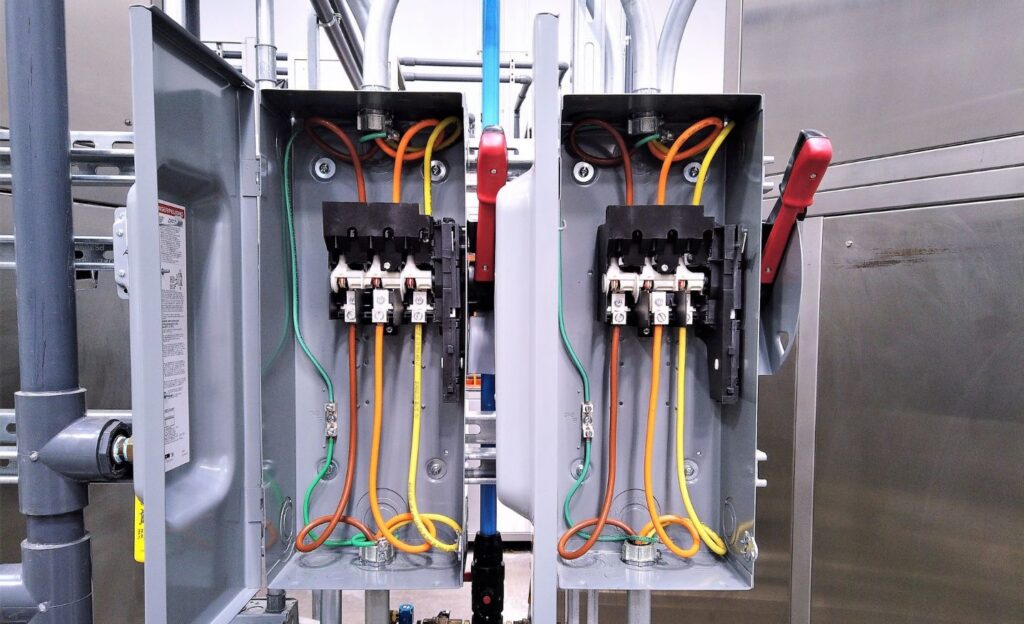
Electrical safety in homes isn’t just about convenience—it’s about survival. When something goes wrong, whether it’s a fire, flooding, or a sudden electrical fault, the ability to quickly and safely disconnect power can make a critical difference. This is where dwelling emergency disconnects and related electrical requirements come in.
Today, we’ll break down what emergency disconnects are, why they matter, and the key safety requirements modern homes are expected to follow.
What Is a Dwelling Emergency Disconnect?
A dwelling emergency disconnect is a clearly identified switch or device that allows occupants or emergency responders to quickly cut off electrical power to a home.
Think of it as a “master off switch” for electricity.
It is typically designed to:
- Immediately shut down the electrical supply to the entire dwelling
- Be easily accessible in emergencies
- Be clearly labeled and identifiable
- Reduce risk of electric shock or fire escalation
Why Emergency Disconnects Matter
When emergencies happen, time and clarity matter more than anything.
1. Fire Safety
Electrical faults are one of the leading causes of residential fires. Cutting power early can:
- Stop electrical arcs
- Prevent fire spread
- Make firefighting safer
2. Flooding and Water Intrusion
Water and electricity are a dangerous combination. An emergency disconnect helps:
- Prevent electrocution risk
- Protect appliances and wiring
- Allow safer cleanup operations
3. Medical and Rescue Situations
First responders often need to secure a home quickly. A single disconnect point:
- Speeds up emergency response
- Reduces hazards for firefighters and EMTs
Typical Requirements for Dwelling Disconnects
While exact rules vary by country and electrical code, most modern standards share common principles.
1. Accessibility
The disconnect must be:
- Easy to reach without special tools
- Located outside or near the main entrance in many cases
- Not blocked by furniture or locked panels
2. Clear Identification
It should be:
- Clearly labeled (e.g., “MAIN DISCONNECT” or “EMERGENCY POWER OFF”)
- Visible even in low light conditions when possible
3. Simplicity of Operation
In an emergency:
- One action should disconnect the power
- No complicated sequences or multiple steps
4. Safety Isolation
The device must disconnect:
- All ungrounded conductors supplying the dwelling
- In a way that ensures the complete shutdown of internal circuits
Relationship to Main Electrical Panels
Many homes already have a main breaker panel, but that does not always qualify as an ideal emergency to disconnect.
In modern designs:
- The main breaker may serve as the disconnect
- Or a separate external disconnect is installed
- Some systems include service disconnects near the meter
The key difference is speed and accessibility in emergencies, not just technical functions.
Special Considerations for Modern Homes
As homes become more electrified, requirements evolve.
Solar Power Systems
Homes with solar panels may require:
- Rapid shutdown systems
- Separate AC and DC disconnect
- Firefighter-safe access controls
Battery Storage Systems
With home batteries becoming common:
- Additional disconnects may be needed
- Isolation of stored energy is critical
- Emergency protocols become more complex
Smart Homes
Smart electrical systems must still ensure:
- Manual override always exists
- Disconnects work even during network failure
Common Mistakes Homeowners Make
Even when systems are installed correctly, problems arise when:
- The disconnect is hidden behind storage or locked gates
- Labels fade or become unreadable
- Homeowners don’t know where the switch is located
- Additions or renovations bypass proper electrical updates
Education is as important as installation.
Best Practices for Home Safety
To improve emergency preparedness:
- Know where your main disconnect is located
- Keep access paths clear at all times
- Label electrical panels clearly
- Review your system after renovations or upgrades
- Ask a licensed electrician for an inspection if unsure
A few minutes of preparation can prevent serious consequences.
A dwelling emergency disconnect is more than a technical requirement—it’s a life safety tool. Whether in fire, flood, or electrical failure, having a clear and accessible way to shut down power can significantly reduce risk and protect both people and property.
As homes continue to evolve with smarter and more complex electrical systems, one principle remains unchanged:
In an emergency, power must be able to go off quickly, safely, and without confusion.
For safe and reliable installation of dwelling emergency disconnects and other home electrical requirements, Sunderland Electric provides professional expertise to help keep your home up to code and protected.