
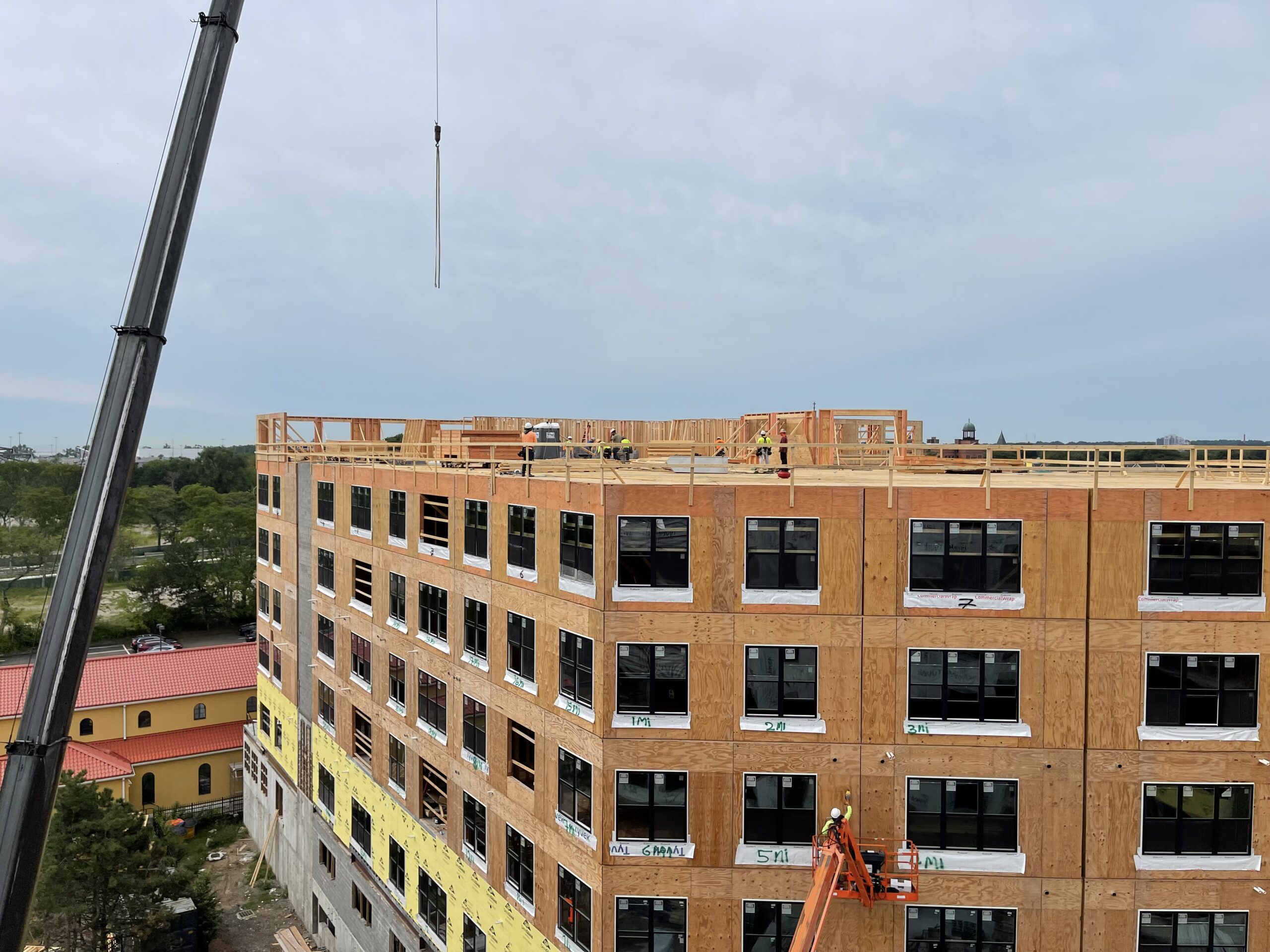
On a multifamily or mixed-use project, the cheapest time to plan for tomorrow’s electrical loads is while the framing is open. A vertical raceway chase, meaning a dedicated pathway of empty conduit or sleeves running between floors, lets an owner add capacity later without cutting into finished units, corridors or fire-rated assemblies.
Why plan a chase now
Electrical demand in apartment buildings keeps rising. Residents expect EV charging, owners are moving to heat pumps and induction cooking, and many buildings add rooftop solar, battery storage or upgraded telecom after opening. Each of those needs a path for conductors from the electrical room to the roof, the garage or the units. If that path doesn’t exist, the retrofit means coring slabs, rerouting through occupied space and re-establishing fire ratings, which is slow, disruptive and expensive.
What a good chase includes
- Spare conduits sized for real loads, not just a single pull string. Sizing follows the loads the owner is likely to add, such as future EV circuits, a solar or storage interconnection, or a larger service riser.
- A clear, accessible location, typically stacked electrical or telecom closets, so every floor can be reached from a common riser.
- Proper firestopping at each floor penetration, using a listed system that can be reopened and resealed when cables are added.
- Pull strings and labeling in every empty raceway, with as-built records showing where each one starts and ends.
- Room at both ends: wall or panel space in the electrical room and a planned termination point at the roof, garage or unit level.
Coordinating it on the job
A chase works best when it is shown on the drawings early and coordinated with the structural, plumbing and mechanical trades, so it isn’t squeezed out when shafts fill up. On wood-frame buildings, top plates and fire-rated floor-ceiling assemblies need planned penetrations. On podium and concrete buildings, sleeves have to be set before the pour. Either way, the electrical contractor should flag the chase during preconstruction so it is priced and scheduled rather than added as a change order.
Pairing it with the service design
Spare raceway only helps if the service can carry the extra load. During design we look at whether the main service, meter centers and switchgear leave room for future circuits, and whether load-managed EV chargers can avoid a larger service altogether. Getting both pieces right up front keeps the building ready for the next decade of upgrades.
Talk to us early
Sunderland Electric is a Connecticut licensed electrical contractor focused on multifamily and mixed-use construction. If you are planning a project and want future capacity built in from the start, send us your drawings for pricing.