
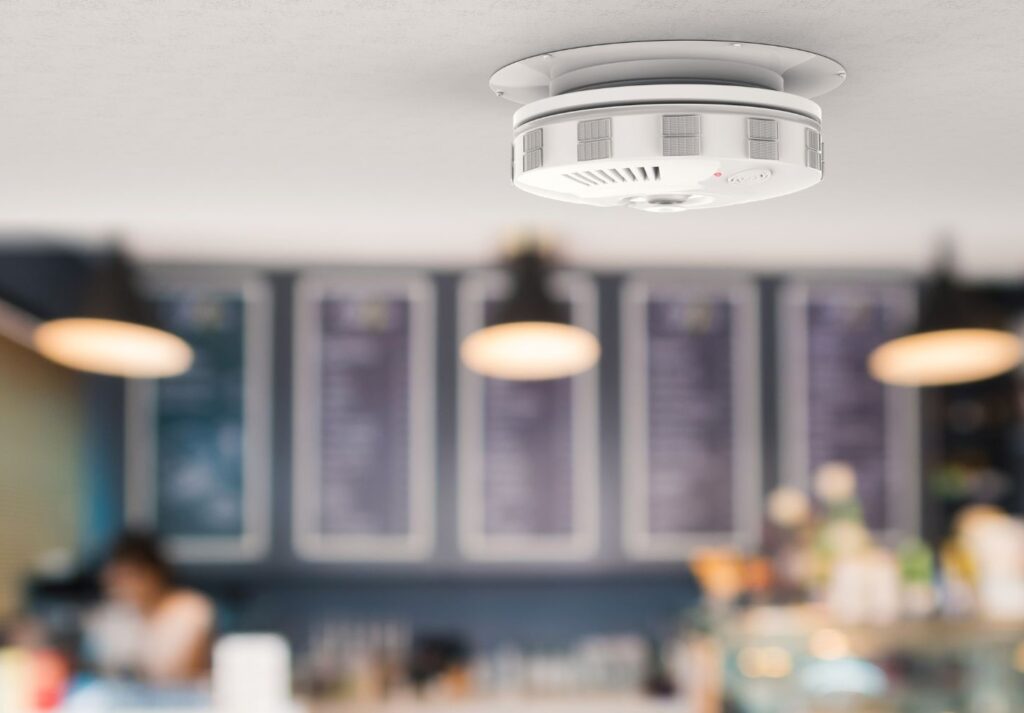
A chirping smoke alarm can be one of the most annoying sounds in your home—especially when it goes off in the middle of the night. While it might seem like a minor nuisance, that persistent beep is your alarm’s way of telling you something needs attention. Ignoring it isn’t just irritating—it can be risky.
Here’s a clear, practical guide to understanding why your smoke alarm is chirping, how to fix it quickly, and when it’s time to call a professional.
Common Causes of a Chirping Smoke Alarm
1. Low Battery (Most Common Culprit)
This is the number one reason for that periodic chirp—usually every 30 to 60 seconds.
Why does it happen:
The alarm is designed to warn you before the battery dies completely.
What to do:
- Replace the battery with a fresh one (even if you recently changed it—defective batteries happen).
- Make sure the battery is installed correctly.
2. Battery Drawer Isn’t Fully Closed
Sometimes the issue isn’t the battery itself—it’s how it’s installed.
Why does it happen:
If the battery compartment isn’t fully secured, the alarm may chirp as a warning.
Quick fix:
- Open and firmly re-close the battery drawer.
- Listen for a “click” to ensure it is properly seated.
3. Dust or Debris Inside the Alarm
Smoke alarms are sensitive devices, and buildup can interfere with their sensors.
Why does it happen:
Dust, insects, or debris can disrupt normal operation.
Quick fix:
- Turn off power (if hardwired).
- Use a vacuum or compressed air to clean vents and openings.
4. Temperature or Humidity Changes
Environmental factors can also trigger chirping.
Why does it happen:
Extreme cold, heat, or humidity (like near kitchens or bathrooms) can affect performance.
Quick fix:
- Relocate the alarm if it’s in a problematic spot.
- Ensure proper ventilation in the area.
5. End-of-Life Warning
Smoke alarms don’t last forever.
Why does it happen:
Most alarms have a lifespan of 7–10 years. After that, they chirp signal replacement.
What to do:
- Check the manufacture date on the back.
- Replace the entire unit if it expires.
6. Hardwired Alarm Issues
If your alarm is connected to your home electrical system, the issue may be more complex.
Why does it happen:
- Power interruptions
- Loose wiring
- Faulty connections
Quick fix:
- Reset the alarm (turn the power off, remove the battery, hold the test button for 15 seconds, then restore power).
Step-by-Step Quick Fix Checklist
Before calling anyone, run through this checklist:
- Replace the battery
- Check battery orientation and compartment closure
- Clean the unit
- Reset the alarm
- Check the manufacturer’s date
If the chirping continues after all this, it’s time to consider a deeper issue.
When to Call an Electrician
Some problems go beyond simple DIY fixes. Call a licensed electrician if:
- The alarm is hardwired and still chirping after a reset
- Multiple alarms are chirping simultaneously
- You suspect wiring issues or power fluctuations
- The unit randomly goes off without cause
- You’re installing or replacing multiple interconnected alarms
An electrician can safely inspect wiring, ensure proper installation, and verify your system meets safety standards.
Pro Tips to Prevent Future Chirping
- Replace batteries at least once a year
- Test alarms monthly
- Keep units clean and dust-free
- Replace alarms every 7–10 years
- Avoid installing alarms too close to kitchens or bathrooms
A chirping smoke alarm isn’t just a minor inconvenience—it’s a built-in safety alert. Most of the time, the fix is quick and simple. But if the problem persists, don’t ignore it. A properly functioning smoke alarm can save lives, so it’s worth taking the time to get it right.
If you’re ever unsure, calling a professional is always the safer choice.
Stop the noise and restore safety—call Sunderland Electric for reliable electrical services you can trust.