
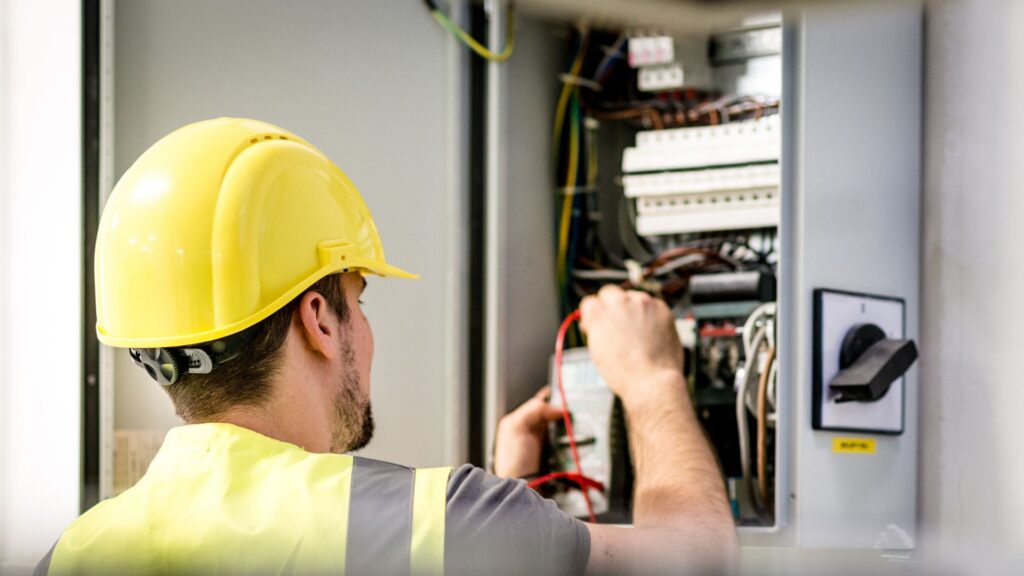
Your home’s electrical wiring is one of the most important systems in your house, yet it’s also one of the most overlooked. Because electrical wiring is hidden behind walls and ceilings, many homeowners assume it will last forever. While quality wiring can serve a home for many decades, it doesn’t last indefinitely.
Understanding the lifespan of your home’s electrical wiring can help you prevent electrical hazards, improve your home’s efficiency, and avoid costly emergency repairs.
What Is the Typical Lifespan of House Wiring?
The lifespan of house wiring depends on the type of wiring used, the quality of the installation, environmental conditions, and how much electrical demand your home experiences.
Here are general estimates:
- Copper wiring: 70–100 years or more when properly installed and maintained.
- Aluminum wiring: 30–40 years. Homes built between the mid-1960s and late-1970s may contain aluminum wiring, which requires regular inspection due to its higher risk of loose connections.
- Knob-and-tube wiring: More than 100 years old but considered outdated and often unable to safely support modern electrical needs.
- Cloth-insulated wiring: Typically found in homes built before the 1960s. Over time, the insulation becomes brittle and deteriorates, increasing the risk of electrical faults.
Even if the wiring itself remains intact, components such as outlets, switches, breakers, and electrical panels may need replacement much sooner.
Factors That Affect Wiring Lifespan
Several factors influence how long your home’s wiring will continue to operate safely.
Electrical Load
Today’s homes use significantly more electricity than homes built several decades ago. Large appliances, home offices, electric vehicle chargers, smart home technology, and entertainment systems all place greater demand on electrical circuits.
If your wiring was designed for yesterday’s electrical needs, it may become overloaded more frequently.
Quality of Installation
Properly installed wiring by licensed electricians typically lasts much longer than wiring installed incorrectly or modified over the years by unqualified individuals.
Environmental Conditions
Moisture, flooding, rodent damage, excessive heat, and corrosion can all shorten the life of electrical wiring.
Renovations and Remodeling
Improper renovations may damage existing wiring or create unsafe connections that increase the likelihood of electrical problems.
Signs Your House Wiring May Need Attention
Your wiring doesn’t suddenly “expire,” but it often gives warning signs before problems become serious.
Watch for:
- Frequently tripped circuit breakers
- Flickering or dimming lights
- Warm or discolored outlets and switches
- Burning odors near electrical devices
- Buzzing or crackling sounds from outlets
- Sparking outlets
- Two-prong outlets without grounding
- Extension cords are being used as permanent wiring
- Lack of enough outlets for modern electrical needs
If you notice any of these warning signs, it’s important to schedule an electrical inspection.
Older Homes Require Extra Attention
If your home is over 40 years old and has never had a major electrical upgrade, it’s a good idea to have the wiring inspected.
Many older homes were never designed to power today’s electronics and appliances. Even if the wiring appears to function normally, hidden deterioration or outdated materials may create safety risks.
A professional inspection can identify problems before they lead to electrical failures or fires.
Can House Wiring Be Repaired Instead of Replaced?
In many cases, yes.
If only a small portion of the wiring has been damaged, targeted repairs may be sufficient. However, if the wiring throughout the home is outdated, deteriorated, or unable to support your electrical demands, a complete or partial rewiring project may be the safest long-term solution.
A licensed electrician can evaluate your home’s electrical system and recommend the most cost-effective approach.
Benefits of Updating Old Wiring
Replacing outdated wiring provides several advantages:
- Improved electrical safety
- Reduced fire risk
- Increased capacity for modern appliances
- Better energy efficiency
- More reliable electrical performance
- Easier home insurance approval in some cases
- Increased property value
While rewiring is a significant investment, it also protects your home and family for decades to come.
Don’t Wait Until Problems Appear
Electrical wiring gradually ages over time, and many problems remain hidden until they become serious. Routine electrical inspections are one of the best ways to ensure your home’s wiring continues operating safely and efficiently.
Whether your home is decades old or you’re planning a renovation, understanding the condition of your electrical system can help you make informed decisions and avoid unexpected repairs.
Trust Sunderland Electric to inspect your home’s wiring—schedule your service today.