Category: Data

  • The Great Build-Out: How Modular Construction Is Powering the Growth of Data Centers

    The Great Build-Out: How Modular Construction Is Powering the Growth of Data Centers

    The demand for data centers is growing at an unprecedented pace, driven largely by artificial intelligence, cloud computing and the increasing need for high-performance digital infrastructure. As operators race to bring new facilities online, traditional construction methods are being challenged by tight schedules, complex electrical requirements and a shortage of skilled workers. 

    One solution gaining momentum is modular construction—a building approach that moves much of the work from the job site into controlled manufacturing environments. 

    According to Electrical Contractor Magazine, approximately 67% of new data centers are expected to be built in rural areas, while 39% of new facilities are projected to be located in counties that currently have no data centers. The scale of this expansion is putting significant pressure on the electrical construction industry. 

    Why Data Centers Are Turning to Modular Construction 

    Traditional data center construction can take years to design, build, and commission. However, the rapid growth of AI infrastructure is creating demand for facilities that can become operational much faster. 

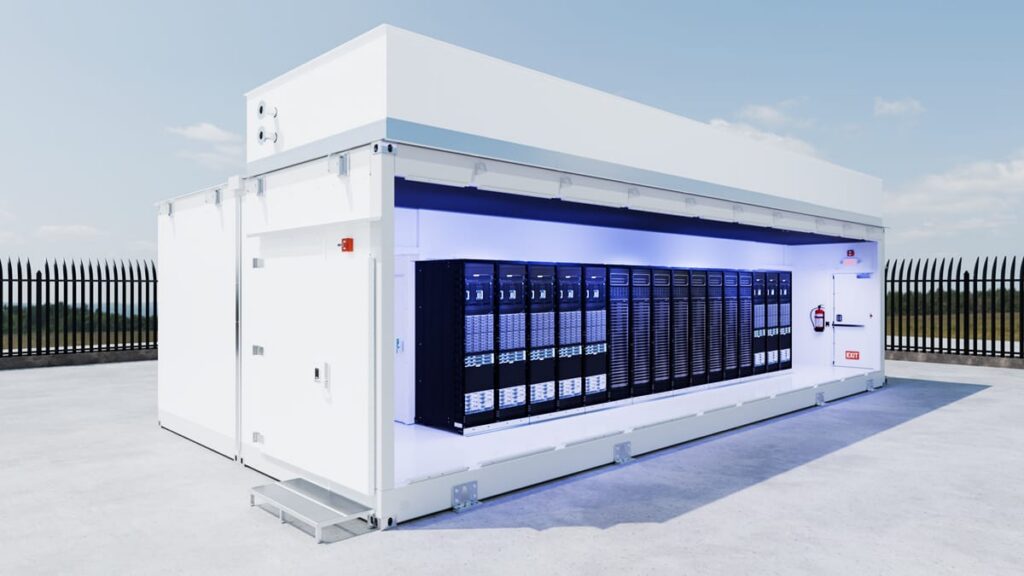
    Modular construction addresses this challenge by allowing major systems and components to be manufactured, assembled, and tested off-site before being transported to the project location. Electrical rooms, power distribution equipment, and other critical systems can be prepared in a factory while site work happens simultaneously. 

    This approach can significantly reduce on-site installation time while improving consistency and quality. Prefabricated electrical and mechanical systems have already demonstrated their ability to shorten data center construction schedules. 

    The Electrical Contractor’s Role Is Changing 

    Modular construction does not eliminate the need for electricians. Instead, it changes where and how their expertise is applied. 

    Large prefabricated modules still need to be transported, installed, connected and integrated at the job site. Electrical contractors may be responsible for building fit-outs, connecting modular systems, commissioning equipment and ensuring that the completed infrastructure operates as designed. 

    The Electrical Contractor article notes that as much as 80% of certain data center work may be completed off-site, leaving significant opportunities for contractors involved in module integration and building fit-out. 

    For electrical professionals, this creates opportunities to become involved earlier in the construction process, including coordination with manufacturers, engineers, and data center operators. 

    Prefabrication Helps Solve Skilled-Labor Challenges 

    The data center boom is happening at a time when the construction industry is already dealing with a shortage of skilled workers. Modular construction can help address some of that pressure by shifting repetitive assembly and integration work into specialized manufacturing facilities. 

    Factory environments can provide standardized processes, controlled working conditions and repeatable quality. Components can also be tested before they reach the job site, potentially reducing installation problems and commissioning delays. 

    For contractors, this means the ability to coordinate effectively with manufacturers and understand prefabricated systems is becoming increasingly valuable. 

    The Rise of High-Power Electrical Systems 

    Data centers are also changing from an electrical standpoint. As AI workloads become more power-intensive, facilities require increasingly sophisticated power-distribution architectures. 

    The industry is exploring higher-power DC systems alongside traditional AC distribution. The shift can involve new approaches to transformers, switchgear, protection systems and direct-to-rack power delivery. 

    These technologies introduce new considerations for electrical contractors, particularly around protection, redundancy, commissioning and safety. 

    High-density data centers require electrical systems that can deliver reliable power continuously. Even a brief interruption can have significant operational consequences, making proper installation, testing and maintenance essential. 

    Training and Safety Are More Important Than Ever 

    As data center electrical systems become more sophisticated, electricians need specialized knowledge to work safely and effectively. 

    Medium-voltage equipment, redundant power sources, high-density electrical systems and emerging DC architectures all require a strong understanding of electrical safety and system operation. Arc-flash awareness and appropriate training are especially important as power levels increase. 

    Contractors who invest in ongoing training can be better prepared to work with the technologies shaping the next generation of data centers. 

    What Modular Data Centers Mean for the Future 

    The growth of AI and digital services is unlikely to slow the need for data center capacity. At the same time, operators are under constant pressure to build faster, scale efficiently, and bring facilities online with minimal delays. 

    Modular construction offers a practical way to meet those demands. By combining factory-built components with skilled on-site installation and commissioning, the industry can accelerate construction while maintaining the reliability required by mission-critical facilities. 

    For electrical contractors, the opportunity is significant. The data center build-out will require expertise in power distribution, prefabrication, commissioning, integration, and advanced electrical systems. 

    The future of data center construction may therefore look less like building everything from the ground up at a single site—and more like assembling a highly engineered system whose components are prepared in advance. 

    As modular construction continues to evolve, electrical contractors will remain an essential part of making that system work. 

    Looking for experienced electrical professionals for your next commercial or industrial project?

    Sunderland Electric is ready to provide dependable electrical solutions and expertise—contact the team today to get started. 

  • Tips for Preventing Cable Management Challenges in Data Centers

    Tips for Preventing Cable Management Challenges in Data Centers

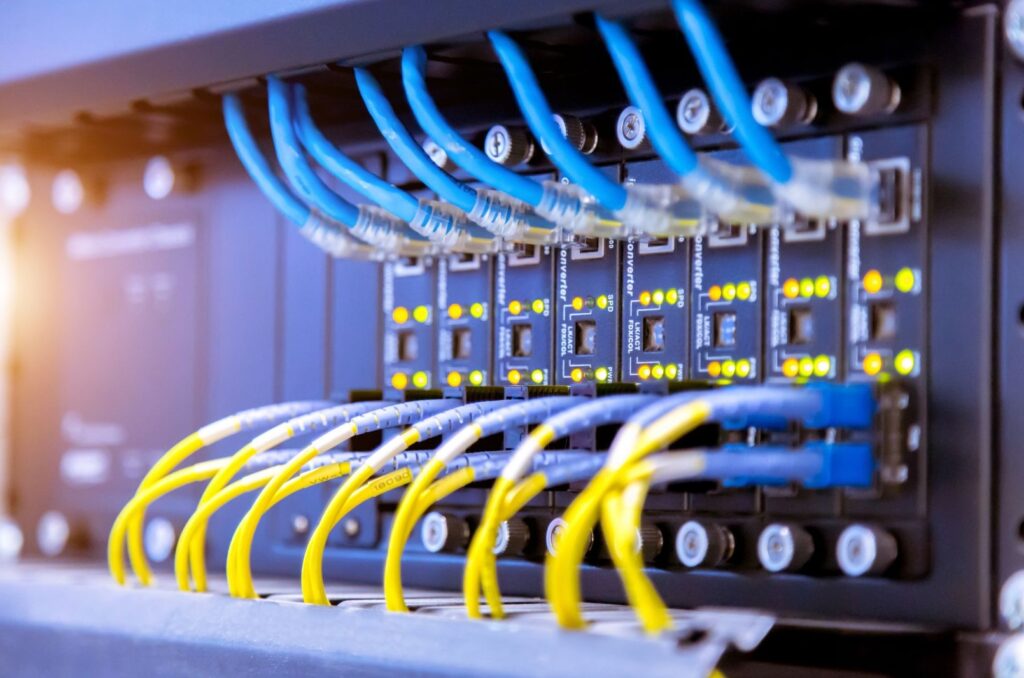
    Modern data centers are the backbone of digital infrastructure, supporting everything from cloud computing to enterprise applications. As data centers scale, cable management becomes a critical challenge. Poor cable organizations can lead to overheating, downtime, longer maintenance times, and reduced operational efficiency. Implementing proactive strategies can help prevent these issues and maintain a well-structured, high-performing environment. 

    1. Plan Cable Layouts Before Deployment 

    Effective cable management begins during the design phase. Planning cable pathways ensures that power and data cables are routed efficiently without interfering with airflow or equipment access. Creating detailed rack layouts and cable pathway diagrams helps technicians maintain consistency during installation and future expansions. 

    2. Use Structured Cabling Standards 

    Following structured cabling standards creates a predictable and organized infrastructure. Standardized cabling frameworks reduce confusion, simplify troubleshooting, and support scalability. By maintaining consistent labeling and cable pathways, data centers can avoid the chaos that often develops over time. 

    3. Implement Proper Cable Labeling 

    Clear labeling is essential for identifying cables quickly during maintenance or troubleshooting. Each cable should have a readable label indicating its origin, destination, and function. Proper labeling reduces downtime and prevents accidental disconnections during equipment upgrades or repairs. 

    4. Separate Power and Data Cables 

    Running power and data cables together can create interference and complicate maintenance. Separating them not only reduces signal interference but also makes cable tracing easier. Dedicated trays or pathways for power and data lines help maintain order and improve safety. 

    5. Use Cable Management Hardware 

    Cable trays, vertical and horizontal managers, racks, and Velcro ties play a vital role in keeping cables organized. These tools prevent cables from sagging, tangling, or blocking airflow. Choosing the right cable management accessories ensures cables remain secure while still being easy to access. 

    6. Avoid Overcrowding 

    Overcrowded cable bundles make troubleshooting difficult and can obstruct cooling airflow. Leaving adequate space in racks and cable trays allows for easier maintenance and future expansion. Regular audits help ensure cable pathways remain within recommended capacity limits. 

    7. Maintain Proper Airflow 

    Poor cable management can restrict airflow, leading to overheating and reduced equipment lifespan. Routing cables along designated pathways instead of across vents or fans helps maintain optimal cooling. Organized cabling also supports efficient hot aisle and cold aisle configurations. 

    8. Conduct Regular Cable Audits 

    Routine inspections help identify unused, damaged, or improperly routed cables. Removing obsolete cables prevents clutter and reduces the risk of accidental interference with active connections. Regular audits also ensure documentation and labeling remain accurate. 

    9. Train Data Center Staff 

    Even the best cable management systems can fail if staff are not properly trained. Providing clear guidelines and training ensures technicians follow consistent procedures when installing, replacing, or removing cables. 

    10. Design for Scalability 

    Data centers are constantly evolving. Designing cable management systems that allow for future growth prevents major disruptions later. Modular cable trays, expandable racks, and flexible routing systems make it easier to accommodate new equipment without requiring rework of the entire infrastructure. 

    Cable management is more than just keeping wires tidy—it has a direct impact on performance, reliability, and operational efficiency in data centers. By planning, using structured cabling practices, and maintaining disciplined cable management policies, organizations can prevent common challenges and ensure their data center infrastructure remains organized, scalable, and resilient. 

    A proactive approach to cable management not only simplifies maintenance but also contributes to the long-term success of data center operations. 

    Choose Sunderland Electric for reliable cabling solutions that keep your data center organized—contact us today to get started ⚡ 

  • All About Data Centers and Light: Essential Requirements and Latest Developments

    All About Data Centers and Light: Essential Requirements and Latest Developments

    In a world driven by digital transformation, data centers are the backbone of modern infrastructure. These facilities store, process, and transmit massive volumes of data, powering services from cloud computing to streaming video. While electrical power, cooling, and security often take center stage in discussions about data centers, lighting plays a critical role too — for efficiency, safety, maintenance, and even sustainability goals.

    Today, we’ll explore:

    1. Why light matters in data centers
    2. Key requirements and standards
    3. Technological advancements
    4. Best practices for implementation
    5. Future trends

    1. Why Light Matters in Data Centers

    At first glance, lighting might not seem like a top concern in a facility dominated by servers and network gear. However, proper lighting is vital for:

    • Safety

    Good illumination reduces the risk of workplace accidents — electricians crawling under raised floors, technicians climbing racks, or staff navigating narrow aisles.

    • Accuracy

    Maintenance, troubleshooting, and hardware swaps require excellent visibility to avoid errors when accessing server labels, cable runs, circuit breaker panels, and safety warnings.

    • Efficiency

    Poor lighting leads to squinting, slowed work, and a higher potential for human error — all of which are costly in mission-critical environments.

    2. Core Lighting Requirements for Data Centers

    Data centers operate with specifics that make general-purpose lighting unsuitable. Key requirements include:

    ✔ Consistent Illumination

    Lighting must be uniform, reducing shadows between aisles and rack rows to ensure every component is visible.

    ✔ Adequate Brightness

    Typically measured in lux (lumens per square meter), data centers aim for standardized levels — often 300–500 lux at workplace zones (e.g., under raised floors and equipment racks).

    ✔ Emergency Lighting

    Backup lighting must be coded into electrical systems to remain operational during power failures, ensuring safe evacuation and access to critical systems.

    ✔ Low Heat Output

    Traditional lighting sources (incandescent, halogen) generate waste heat — undesirable in already heat-sensitive environments. LEDs are preferred for their minimal thermal footprint.

    ✔ Energy Efficiency

    Lighting should align with energy-saving standards, such as ASHRAE, LEED, and BREEAM, helping facilities reduce their Total Cost of Ownership (TCO).

    3. Recent Developments in Data Center Lighting

    Let’s explore what’s changing in this space:

    🌱 Smart LEDs and Sensors

    LED lighting has become the norm, but smart fixtures — integrated with occupancy sensors, daylight harvesting, and central controls — now optimize usage by dimming when spaces are empty.

    🔌 IoT-Connected Lighting

    Light fixtures can now be part of a Building Management System (BMS), providing telemetry and remote control. This linkage allows predictive maintenance and energy analytics.

    🔦 Task-Specific Lighting

    Instead of uniformly bright overhead lighting, facilities now deploy spot lighting for maintenance zones or specific racks — conserving energy while maintaining visibility where needed most.

    ⚡ Wireless Controls

    Wireless lighting controls reduce wiring clutter and can be reconfigured quickly without major electrical work — ideal for facilities with dynamic layouts.

    4. Best Practices for Lighting Implementation

    Here are lighting recommendations to ensure an efficient, safe, and cost-effective setup:

    ✔ Focus on LED Fixtures

    LEDs consume less power, produce minimal heat, and have longer lifespans compared to fluorescent or halogen bulbs.

    ✔ Use Zoned Lighting

    Divide the facility into lighting zones controlled independently — only illuminate areas where staff are working.

    ✔ Integrate with BMS

    Lighting mapped with facility sensors can automate brightness based on occupancy, time of day, and energy usage analytics.

    ✔ Regular Maintenance Schedules

    Dust, reflections, and airflow obstructions can degrade lighting effectiveness. Routine checks keep illumination optimal.

    ✔ Emergency Preparedness

    Test backup lighting systems monthly. Make sure emergency routes, exits, and control panels stay clearly visible under all conditions.

    5. The Future of Data Center Lighting

    Looking ahead, lighting will be even more interwoven with building intelligence:

    🔍 Adaptive Lighting Algorithms

    These systems will use AI to predict when lighting should change based on usage patterns, reducing energy waste.

    🌐 Integration with Predictive Maintenance

    Lighting sensors could feed environmental and operational data into predictive models that detect hotspots, airflow issues, or equipment failures — blurring the line between lighting and facility analytics.

    ♻️ Sustainability Goals

    With global emphasis on lower carbon footprints, data center lighting will continue to emphasize renewables, smarter energy use, and circular design principles.

    Although often overlooked, lighting is a critical component of data center design and operation. From ensuring a safe working environment to enhancing energy efficiency and embracing smart technologies, lighting impacts performance and costs.

    For facility managers and IT professionals alike, understanding these requirements and staying ahead of lighting innovations helps protect uptime, improve operational readiness, and support sustainability goals.

    Sunderland Electric delivers reliable, energy-efficient lighting solutions tailored to meet the evolving requirements of modern data centers.

  • Dishing on Dirt: The Importance of Clean Connectors 

    Dishing on Dirt: The Importance of Clean Connectors 

    When it comes to reliability in electronics, power systems, or industrial equipment, the tiniest detail can make the biggest difference. Connectors—the small but mighty junctions that allow systems to communicate and power to flow—are often overlooked. Yet dirt, dust, oil, and corrosion can turn these unsung heroes into points of failure. 

    Why Clean Connectors Matter 

    Think of connectors as the “handshakes” between systems. A dirty handshake—grimy, loose, or incomplete—leads to miscommunication. In technical terms, this translates to: 

    – Signal loss or interference – Dust and debris can disrupt data transmission. 

    – Higher resistance – Corrosion and grime increase electrical resistance, generating heat and reducing efficiency. 

    – Unexpected downtime – A single contaminated connector can bring an entire system to a halt. 

    – Costly repairs – Replacing equipment due to preventable connector issues adds unnecessary expenses. 

    Common Culprits of Connector Contamination 

    – Dust & Debris: Especially in manufacturing, mining, and outdoor environments. 

    – Moisture & Humidity: Leading to oxidation and rust. 

    – Oil & Grease: Common in automotive and industrial applications. 

    – Human Touch: Fingerprints introduce oils that attract even more dirt. 

    Best Practices for Keeping Connectors Clean 

    1. Regular Inspection – Schedule connector checks as part of routine maintenance. 

        2. Proper Cleaning Tools – Use lint-free wipes, approved solvents, or compressed air instead of makeshift solutions. 

          3. Protective Covers – Cap unused connectors to prevent exposure. 

            4. Training Staff – Ensure technicians know the right way to clean and handle connectors. 

              5. Environment Control – Where possible, reduce dust, moisture, and contaminants in workspaces. 

                Clean connectors don’t just look tidy—they safeguard system performance, reliability, and longevity. By paying attention to these small components, you can avoid big problems. 

                So, the next time you’re running maintenance, remember when it comes to connectors, a little dirt can do a lot of damage. Keep it clean, keep it connected. 

                At Sunderland Electric, we know that clean, reliable connections power performance—trust us to keep your systems running at their best.