
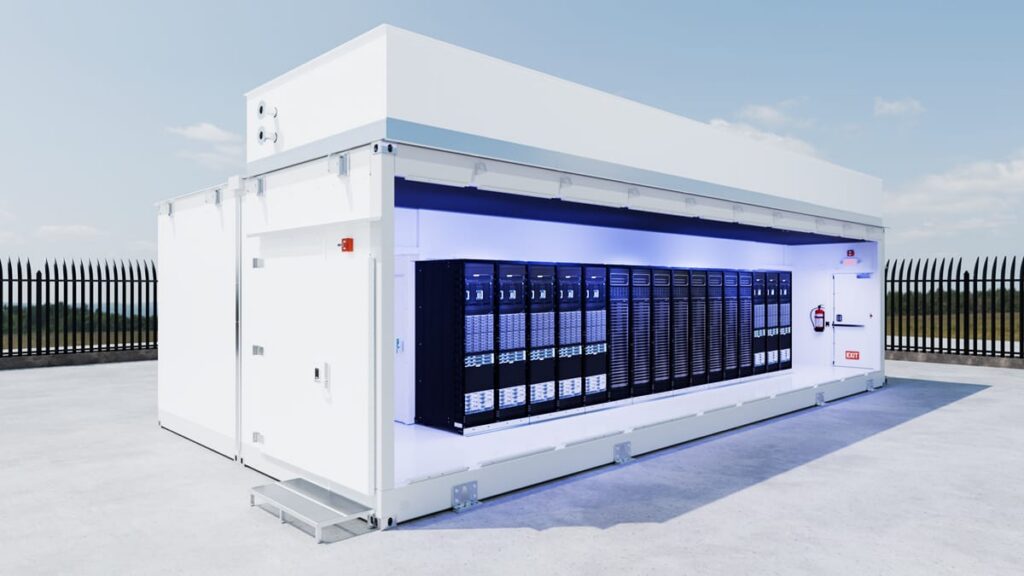
The demand for data centers is growing at an unprecedented pace, driven largely by artificial intelligence, cloud computing and the increasing need for high-performance digital infrastructure. As operators race to bring new facilities online, traditional construction methods are being challenged by tight schedules, complex electrical requirements and a shortage of skilled workers.
One solution gaining momentum is modular construction—a building approach that moves much of the work from the job site into controlled manufacturing environments.
According to Electrical Contractor Magazine, approximately 67% of new data centers are expected to be built in rural areas, while 39% of new facilities are projected to be located in counties that currently have no data centers. The scale of this expansion is putting significant pressure on the electrical construction industry.
Why Data Centers Are Turning to Modular Construction
Traditional data center construction can take years to design, build, and commission. However, the rapid growth of AI infrastructure is creating demand for facilities that can become operational much faster.
Modular construction addresses this challenge by allowing major systems and components to be manufactured, assembled, and tested off-site before being transported to the project location. Electrical rooms, power distribution equipment, and other critical systems can be prepared in a factory while site work happens simultaneously.
This approach can significantly reduce on-site installation time while improving consistency and quality. Prefabricated electrical and mechanical systems have already demonstrated their ability to shorten data center construction schedules.
The Electrical Contractor’s Role Is Changing
Modular construction does not eliminate the need for electricians. Instead, it changes where and how their expertise is applied.
Large prefabricated modules still need to be transported, installed, connected and integrated at the job site. Electrical contractors may be responsible for building fit-outs, connecting modular systems, commissioning equipment and ensuring that the completed infrastructure operates as designed.
The Electrical Contractor article notes that as much as 80% of certain data center work may be completed off-site, leaving significant opportunities for contractors involved in module integration and building fit-out.
For electrical professionals, this creates opportunities to become involved earlier in the construction process, including coordination with manufacturers, engineers, and data center operators.
Prefabrication Helps Solve Skilled-Labor Challenges
The data center boom is happening at a time when the construction industry is already dealing with a shortage of skilled workers. Modular construction can help address some of that pressure by shifting repetitive assembly and integration work into specialized manufacturing facilities.
Factory environments can provide standardized processes, controlled working conditions and repeatable quality. Components can also be tested before they reach the job site, potentially reducing installation problems and commissioning delays.
For contractors, this means the ability to coordinate effectively with manufacturers and understand prefabricated systems is becoming increasingly valuable.
The Rise of High-Power Electrical Systems
Data centers are also changing from an electrical standpoint. As AI workloads become more power-intensive, facilities require increasingly sophisticated power-distribution architectures.
The industry is exploring higher-power DC systems alongside traditional AC distribution. The shift can involve new approaches to transformers, switchgear, protection systems and direct-to-rack power delivery.
These technologies introduce new considerations for electrical contractors, particularly around protection, redundancy, commissioning and safety.
High-density data centers require electrical systems that can deliver reliable power continuously. Even a brief interruption can have significant operational consequences, making proper installation, testing and maintenance essential.
Training and Safety Are More Important Than Ever
As data center electrical systems become more sophisticated, electricians need specialized knowledge to work safely and effectively.
Medium-voltage equipment, redundant power sources, high-density electrical systems and emerging DC architectures all require a strong understanding of electrical safety and system operation. Arc-flash awareness and appropriate training are especially important as power levels increase.
Contractors who invest in ongoing training can be better prepared to work with the technologies shaping the next generation of data centers.
What Modular Data Centers Mean for the Future
The growth of AI and digital services is unlikely to slow the need for data center capacity. At the same time, operators are under constant pressure to build faster, scale efficiently, and bring facilities online with minimal delays.
Modular construction offers a practical way to meet those demands. By combining factory-built components with skilled on-site installation and commissioning, the industry can accelerate construction while maintaining the reliability required by mission-critical facilities.
For electrical contractors, the opportunity is significant. The data center build-out will require expertise in power distribution, prefabrication, commissioning, integration, and advanced electrical systems.
The future of data center construction may therefore look less like building everything from the ground up at a single site—and more like assembling a highly engineered system whose components are prepared in advance.
As modular construction continues to evolve, electrical contractors will remain an essential part of making that system work.
Looking for experienced electrical professionals for your next commercial or industrial project?
Sunderland Electric is ready to provide dependable electrical solutions and expertise—contact the team today to get started.