
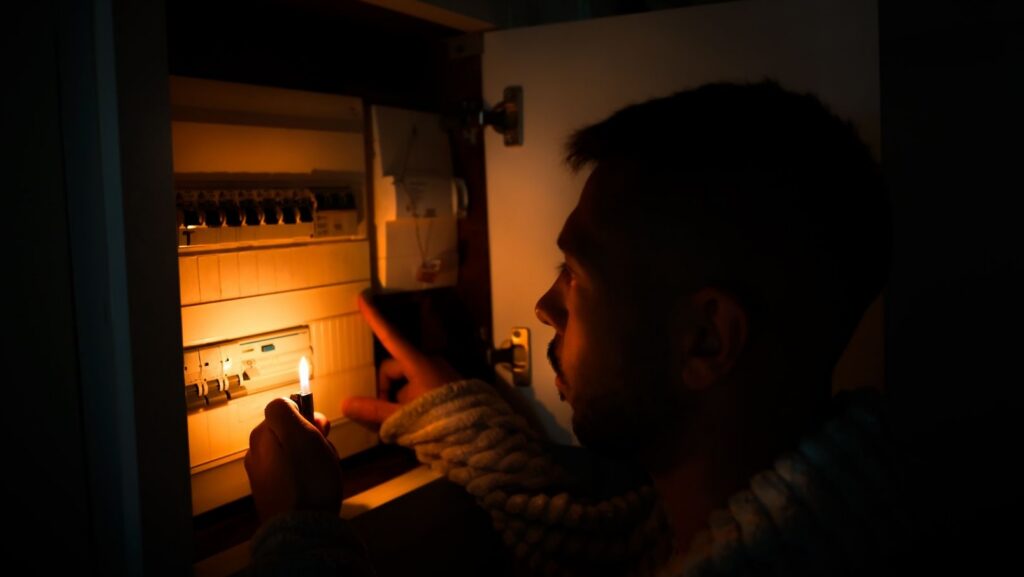
Most homeowners expect their monthly energy bill to rise during extreme weather seasons, but many are surprised to learn that some of the biggest energy drains are operating quietly in the background every single day. These hidden energy thieves waste electricity, increase utility costs, and put unnecessary strain on household systems.
The good news is that identifying and fixing these issues is often simple and inexpensive. By understanding where energy loss happens, you can make smarter choices that improve efficiency and reduce your monthly expenses.
1. Devices Left in Standby Mode
Many electronics continue consuming power even when turned off. This is known as “phantom energy” or “vampire power.” Televisions, gaming consoles, microwaves, printers, coffee makers, and chargers often draw electricity while sitting idle.
Over time, these small energy leaks add up significantly.
How to Fix It
- Unplug devices when not in use
- Use smart power strips to cut power automatically
- Turn off electronics completely instead of leaving them on standby
2. Inefficient Lighting
Older incandescent bulbs waste most of their energy by producing heat instead of light. Even leaving lights on in empty rooms contributes to unnecessary energy consumption.
How to Fix It
- Replace old bulbs with LED lighting
- Install motion sensors in low-traffic areas
- Take advantage of natural daylight whenever possible
LED bulbs use far less electricity and typically last much longer than traditional bulbs.
3. Air Leaks Around Doors and Windows
Tiny gaps around windows, doors, and vents can allow cooled or heated air to escape. Your HVAC system then works harder to maintain indoor temperatures, increasing energy use.
Common Leak Areas
- Window frames
- Door edges
- Attic openings
- Electrical outlets on exterior walls
How to Fix It
- Apply weather stripping
- Use caulk to seal cracks
- Add door sweeps
- Insulate attics and crawl spaces
Proper sealing can noticeably reduce heating and cooling costs.
4. Dirty HVAC Filters
A clogged HVAC filter restricts airflow and forces your heating or cooling system to work overtime. This not only wastes energy but can also shorten the lifespan of your equipment.
How to Fix It
- Replace filters every 1–3 months
- Schedule regular HVAC maintenance
- Keep vents clean and unobstructed
A well-maintained HVAC system runs more efficiently and improves indoor air quality.
5. Water Heaters Working Too Hard
Water heaters are one of the largest energy consumers in most homes. Sediment buildup, poor insulation, and high temperature settings can all increase energy waste.
How to Fix It
- Lower the thermostat to around 120°F (49°C)
- Flush the tank annually
- Insulate hot water pipes
- Consider upgrading to an energy-efficient model
Small adjustments can reduce energy consumption without sacrificing comfort.
6. Old or Inefficient Appliances
Older refrigerators, washing machines, dryers, and dishwashers often use far more energy than modern energy-efficient models.
Warning Signs
- Excessive noise
- Longer operating times
- Frequent repairs
- High electricity bills
How to Fix It
- Upgrade to ENERGY STAR® certified appliances
- Run full loads in washers and dishwashers
- Clean appliance coils and vents regularly
Although upgrading appliances requires an upfront investment, the long-term savings can be substantial.
7. Poor Insulation
Without proper insulation, your home loses heat during colder months and absorbs heat during warmer months. This forces heating and cooling systems to work harder.
Areas That Often Need Better Insulation
- Attics
- Garages
- Basements
- Exterior walls
How to Fix It
- Add insulation where needed
- Use insulated curtains
- Seal attic access points
Better insulation improves comfort while lowering energy costs year-round.
8. Overworked Refrigerators and Freezers
Refrigerators run continuously, making them major energy users. Poor maintenance or improper temperature settings can increase electricity consumption.
How to Fix It
- Keep refrigerator temperatures between 35°F and 38°F
- Clean condenser coils regularly
- Avoid leaving doors open for long periods
- Ensure door seals are tight
Even small efficiency improvements can make a difference over time.
9. Laundry Habits That Waste Energy
Hot water washing and overusing dryers can consume large amounts of electricity.
How to Fix It
- Wash clothes in cold water when possible
- Air-dry clothes occasionally
- Clean the dryer lint trap after every use
- Avoid over-drying clothes
Simple laundry habit changes can noticeably reduce utility costs.
10. Forgotten Outdoor Energy Drains
Outdoor lighting, pool pumps, and garage equipment are commonly overlooked sources of energy waste.
How to Fix It
- Install solar-powered outdoor lights
- Use timers for outdoor systems
- Turn off unused garage equipment
- Maintain pool pumps regularly
Managing outdoor energy use can prevent unnecessary power consumption.
Energy waste often comes from small everyday habits and overlooked household systems. The hidden energy thieves in your home may seem minor individually, but together they can significantly increase monthly utility bills.
By making a few practical improvements — such as sealing air leaks, upgrading lighting, maintaining appliances, and reducing standby power — homeowners can improve efficiency, lower costs, and create a more environmentally friendly living space.
The key is awareness. Once you identify where energy is being wasted, you can take simple steps that lead to long-term savings and a more comfortable home.
Keep your home energy-efficient and your bills under control with expert solutions from Sunderland Electric — contact us today for reliable electrical services you can trust.