
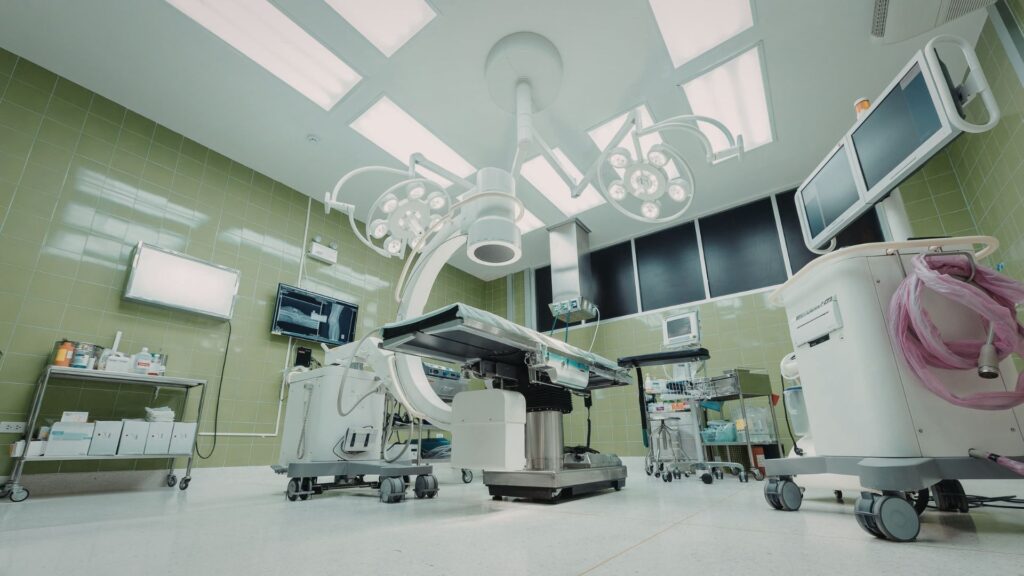
Hospitals are among the most critical facilities in modern society, where uninterrupted electrical power can mean the difference between life and death. From operating rooms to intensive care units, electrical systems support essential medical equipment, lighting, communication, and life-support systems. For this reason, hospitals rely on highly reliable and redundant electrical systems designed specifically for life safety.
This blog explores the types of electrical systems used in hospitals and the various sources of power that ensure continuous operation, even during outages.
What Are Essential Electrical Systems (EES)?
Essential Electrical Systems (EES) in hospitals are specialized power distribution systems designed to provide electricity to critical areas and equipment during both normal and emergency conditions. These systems are carefully engineered to maintain functionality during power interruptions and are typically divided into distinct branches based on priority and function.
Types of Essential Electrical System Branches
1. Life Safety Branch
The life safety branch provides power to systems that protect patients, staff, and visitors during emergencies. Its primary role is to ensure safe evacuation and minimize hazards.
Key components include:
- Emergency lighting (exit signs, corridors, stairways)
- Fire alarm systems
- Smoke detection and control systems
- Public address and communication systems
This branch must activate immediately during a power outage, usually within seconds.
2. Critical Branch
The critical branch supplies power to areas where patient care is directly impacted. Any interruption in this branch can have serious consequences.
Key components include:
- Operating room equipment
- Intensive Care Unit (ICU) systems
- Nurse call systems
- Medical gas alarms
- Patient monitoring systems
The critical branch is designed to restore power very quickly—typically within 10 seconds of an outage.
3. Equipment Branch
The equipment branch supports major electrical equipment necessary for hospital operations.
Key components include:
- HVAC systems (heating, ventilation, air conditioning)
- Medical air compressors and vacuum pumps
- Elevators (designated emergency elevators)
- Sterilization equipment
While not all equipment is immediately life-critical, maintaining these systems is essential for continued hospital functionality.
Sources of Power for Hospital Life Safety
1. Utility Power Supply
The primary source of electricity for hospitals is the local utility grid. Under normal conditions, all systems operate using this supply. However, since utility power can fail due to natural disasters, technical faults, or maintenance issues, hospitals must have backup systems in place.
2. Emergency Generators
Emergency generators are the backbone of hospital backup power systems. Typically powered by diesel fuel, these generators automatically start when utility power is lost.
Features:
- Automatic Transfer Switches (ATS) detect outages and switch power sources
- Capable of supplying power within 10 seconds
- Designed to support all essential branches
Generators are regularly tested to ensure reliability during real emergencies.
3. Uninterruptible Power Supply (UPS)
UPS systems provide immediate, short-term power without any interruption. They bridge the gap between utility failure and generator startup.
Applications:
- Life-support machines
- Data centers and hospital IT systems
- Critical monitoring devices
UPS systems use batteries or flywheels to deliver seamless power.
4. Battery Backup Systems
In addition to UPS systems, dedicated battery backups are used for specific life safety equipment such as emergency lighting and fire alarm systems.
Advantages:
- Instant activation
- Independent of generator systems
- Reliable for short-duration power needs
5. Renewable Energy Sources (Supplementary)
Some hospitals are integrating renewable energy sources such as solar panels to enhance sustainability and resilience.
Benefits:
- Reduces dependence on fuel-based generators
- Provides supplemental power during the day
- Supports long-term energy efficiency goals
However, renewables are typically not relied upon as the sole emergency power source due to variability.
Importance of Redundancy and Maintenance
Redundancy is a fundamental principle in hospital electrical design. Multiple backup systems ensure that if one source fails, another can take over immediately. Regular inspection, testing, and maintenance are also critical to ensure all systems function properly when needed.
Hospitals require highly dependable electrical systems to maintain life safety and continuous patient care. By dividing power into life safety, critical, and equipment branches—and supporting them with multiple power sources such as generators, UPS systems, and batteries—hospitals achieve the resilience needed to operate under any condition.
As healthcare technology continues to advance, the importance of robust and reliable electrical systems will only grow, making them a cornerstone of modern medical infrastructure.
Ensuring uninterrupted power in hospitals is not just a technical requirement—it is a moral responsibility. Proper planning, design, and maintenance of essential electrical systems safeguard lives and uphold the standard of care that patients depend on every day.
For reliable, expertly designed hospital power systems that ensure life safety and uninterrupted care, trust Sunderland Electric to deliver dependable solutions.